
By Marketing Team, Sunburst Landscaping
Professional landscaping substantially enhances the appearance and market value of commercial properties. In Peoria, AZ, where arid conditions and heat pose specific challenges, well-engineered landscapes shape a business’s first impression. This article outlines core benefits—improved curb appeal, measurable property-value gains, and sustainable practices that support environmental stewardship—along with essential services, current design trends, and criteria for selecting a qualified contractor to inform property owners’ decisions.
In addition to visual benefits, commercial landscaping in arid regions requires careful planning for durability and resilience. Designers and contractors assess soil conditions, microclimates, sun exposure, and existing infrastructure so installations perform reliably year-round. Thoughtful planning reduces long-term maintenance needs, helps avoid plant failures, and aligns installed features with operational use, such as maximizing shade at pedestrian routes and minimizing water demand near building foundations.
What Are the Key Benefits of Commercial Landscaping for Peoria Properties?
Commercial landscaping delivers benefits beyond aesthetics. It improves visual presentation, attracting clients and enhancing the business environment. Well-maintained landscapes also contribute to higher property values, representing a prudent investment for owners.
When implemented strategically, landscaping supports multiple business objectives: improved curb appeal for customers and tenants, reduced operational costs through water-efficient design, and enhanced workplace experience for employees. Landscapes can also act as a practical asset—reducing heat on paved surfaces, providing defined circulation paths, and managing surface runoff—so the investment contributes to both functional performance and long-term asset preservation.
How Does Landscaping Improve Curb Appeal and Attract Clients?
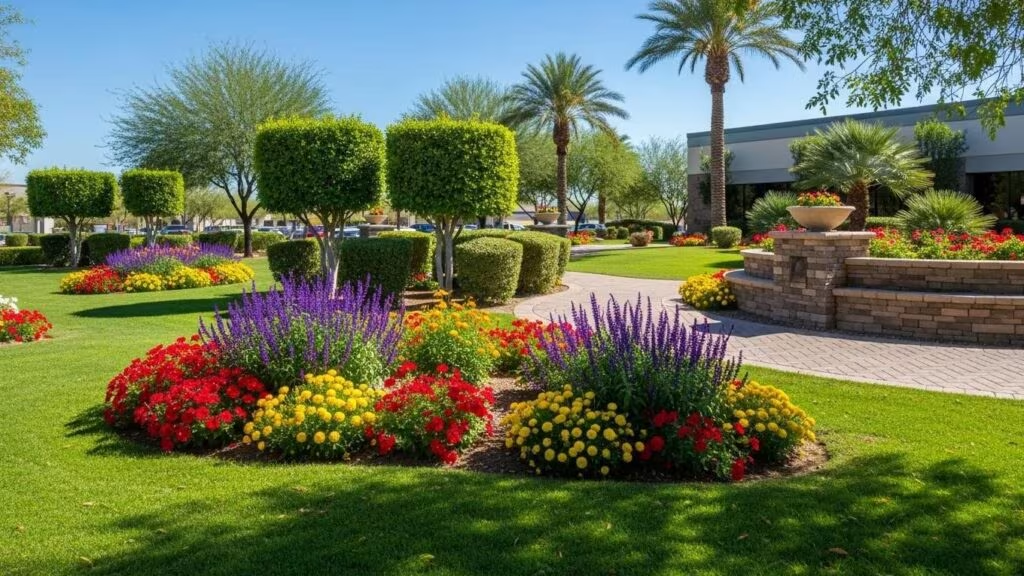
Landscaping enhances curb appeal by producing an inviting, professional exterior that reinforces brand identity and creates a strong first impression. Strategic use of vibrant plantings, maintained turf, and quality hardscape can increase visibility and encourage foot traffic. Sunburst Landscaping, a professional landscaping company based in Peoria, AZ, specializes in creating tailored landscapes that enhance curb appeal and attract clients.
Key curb-appeal elements include coordinated plant palettes, clean and durable walkways, integrated lighting, and clear signage. Maintenance consistency—regular pruning, clean edges, and debris removal—keeps that initial impression intact. For properties with high pedestrian activity, designers prioritize sightlines, clear wayfinding, and comfortable microclimates created with shade elements and seating, which together encourage lingering visits and repeat patronage.
- Planting layers: foundation shrubs, seasonal accents, and long-lived trees for structure and shade.
- Hardscape quality: slip-resistant paving, well-defined edges, and durable seating areas.
- Lighting and signage: tasteful illumination to extend usable hours and improve safety.
- Consistent maintenance: schedules and standards that preserve presentation and health.
What Impact Does Professional Landscaping Have on Property Value?
Investing in professional landscaping can produce substantial returns. Studies indicate properties with well-maintained landscapes may realize up to 100% return on investment at sale. This uplift reflects enhanced aesthetics and the perception of diligent property care. Professional landscaping can also improve customer retention and satisfaction by presenting a consistently appealing environment.
Beyond sale metrics, well-executed landscapes affect leasing and occupancy: attractive exteriors support higher tenant demand, allow for stronger asking rents in competitive markets, and lengthen tenant retention. From an appraisal perspective, landscaping that is cohesive, low-maintenance, and water-wise is typically viewed as an amenity that contributes to a property’s overall utility and marketability. For owners, the combination of increased revenue potential and lower operating costs strengthens the long-term financial case for professional installation and maintenance.
Which Commercial Landscaping Services Are Essential for Peoria Businesses?
Businesses in Peoria should consider a suite of services: landscape design, installation, maintenance, and renovation. Each service must be customized to the property’s operational requirements and site conditions.
An integrated service model—where design informs installation and maintenance—limits lifecycle conflicts and produces more predictable outcomes. Typical provider responsibilities include site analysis, planting plans, irrigation design and commissioning, hardscape construction, and an ongoing maintenance agreement. Owners should evaluate service offerings holistically to ensure that seasonal care, irrigation monitoring, and rapid repair response are available within the contract structure.
What Does Landscape Design Include for Commercial Properties?
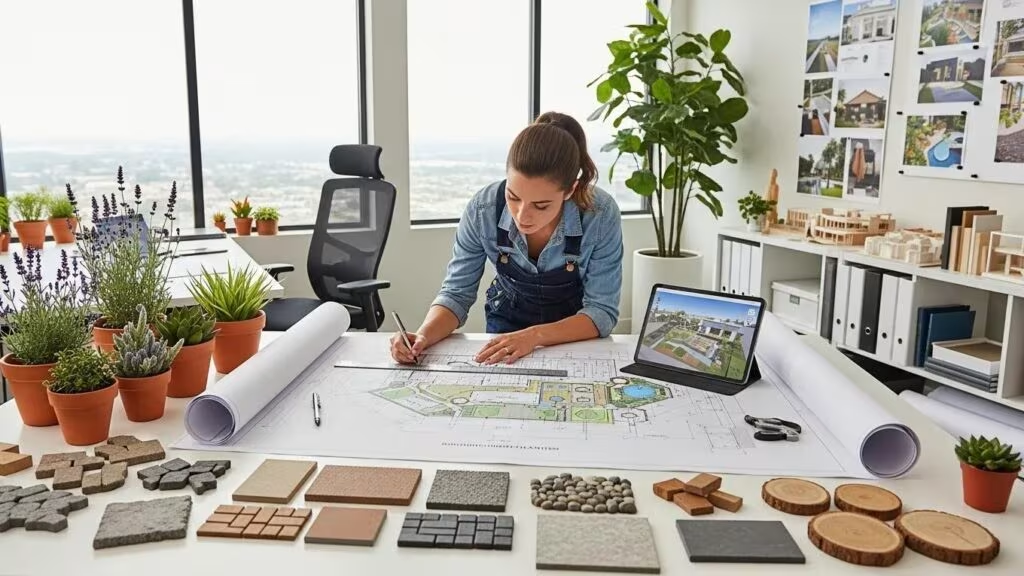
Landscape design covers plant selection, hardscape specification, and irrigation planning. A professional will evaluate site conditions and produce designs that complement the architecture and local environment. Typical components include drought-tolerant plantings, decorative stonework, and efficient irrigation systems that conserve water while preserving landscape quality.
In practice, design also addresses constructability and maintenance: equipment access, root space for long-lived trees, and the use of resilient materials in areas with high pedestrian loads. Designs specify planting sizes and soil amendments that promote establishment, outline lighting and electrical needs, and coordinate drainage solutions that reduce erosion and protect building foundations. Clear documentation—plans, specifications, and maintenance notes—helps owners secure accurate bids and ensures installed work matches design intent.
How Does Regular Landscaping Maintenance Preserve Appearance and Function?
Ongoing maintenance preserves both appearance and function. Services include routine inspections, seasonal pruning and mulching, and irrigation testing. Proactive maintenance reduces the likelihood of costly repairs and keeps landscapes presentable year-round.
A comprehensive maintenance program includes schedule-driven tasks (mowing, trimming, debris removal), performance checks (irrigation audits, soil moisture reviews), and seasonal adjustments (plant replacements, mulching, pest monitoring). Preventive measures—such as early detection of irrigation leaks or disease—limit escalation and protect plant health. Effective maintenance contracts outline service frequency, performance standards, and escalation procedures for emergent issues.
How Do Sustainable Landscaping Solutions Benefit Commercial Properties in Peoria?
Sustainable landscaping is increasingly important for commercial properties in Peoria. These practices enhance appearance while delivering operational cost savings and environmental benefits.
Sustainable strategies prioritize resource efficiency and long-term resilience. For commercial properties, this often means choosing low-water plant palettes, durable materials with long service lives, and systems that reduce maintenance labor without compromising aesthetic quality. Over time, the reduced resource burden and simplified upkeep can free capital for other property improvements and contribute to corporate sustainability goals.
What Are Water-Efficient Irrigation and Xeriscaping Practices?
Water-efficient irrigation and xeriscaping are fundamental in arid climates such as Peoria. Xeriscaping employs drought-resistant species and reduces lawn areas to lower water use. Implementing these measures can yield measurable reductions in water consumption and utility costs.
Practically, water-efficient irrigation combines appropriate emitter selection, zoning by plant water needs (hydrozoning), and smart controllers that adjust schedules based on weather or soil moisture. Drip systems for shrub beds, bubbler emitters for trees, and precisely located spray heads for limited turf areas maximize delivery efficiency. Complementary measures—such as mulching to reduce evaporation and selecting plants suited to local conditions—extend the benefits of efficient irrigation systems.
How Can Sustainable Landscaping Reduce Costs and Environmental Impact?
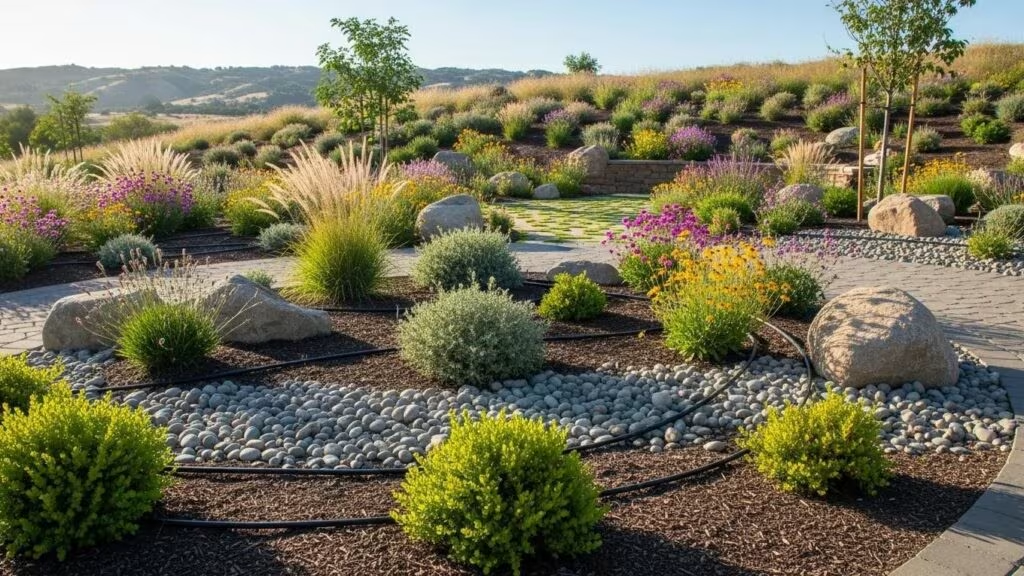
Sustainable landscapes lower operating expenses and environmental footprint. Native plantings require less irrigation and maintenance, which reduces costs. Additionally, sustainable practices support biodiversity and help moderate urban heat, contributing to community health.
When comparing lifecycle costs, sustainable materials and planting choices often outperform low-cost alternatives because they require fewer replacements and less intensive maintenance. Stormwater-sensitive design elements—such as permeable paving and retention planting areas—can reduce runoff volume and protect nearby infrastructure. For property managers, these cumulative benefits improve the predictability of operating budgets and reduce exposure to utility price volatility.
What Are the Latest Landscape Design Trends for Commercial Properties in Arizona?
Remaining current with landscape trends helps businesses optimize property performance. Contemporary approaches prioritize sustainability, functionality, and refined aesthetics.
Recent design trends emphasize outdoor amenities that extend a site’s usable area: shaded seating clusters, integrated lighting for safe evening use, and flexible paving systems that support occasional events. Materials selection leans toward low-maintenance, durable finishes that retain a high-quality appearance. Designers also increasingly incorporate biophilic principles—visual and physical connections to nature—to support occupant comfort and mental health.
Which Plants and Materials Are Best Suited for Peoria’s Climate?
Native and drought-tolerant species perform best in Peoria, consuming less water and requiring minimal maintenance. Permeable paving and artificial turf are materials that can enhance durability while supporting sustainability objectives.
Typical successful palettes include long-lived shade trees to reduce building cooling loads, evergreen shrubs for year-round structure, succulents and ornamental grasses for texture, and seasonal color accents for visual interest. Material selections focus on finishes that resist fading, surfaces that shed debris easily, and permeable details that support drainage without sacrificing accessibility.
How Do Modern Designs Enhance Functionality and Aesthetics?
Modern designs create multi-use outdoor spaces. Features such as seating, lighting, and defined pathways improve usability and visual appeal. These elements attract customers and provide beneficial amenities for employees.
Integration of lighting, furniture, and planting creates cohesive outdoor rooms where users feel comfortable and secure. Design for accessibility ensures paths are navigable for all users and that seating and amenities are placed with clear sightlines and intuitive circulation. Thoughtful staging of spaces supports a variety of functions—from short customer pauses to longer employee breaks—without compromising overall appearance.
How Do Commercial Landscape Contractors in Peoria Ensure Quality and Client Satisfaction?
Selecting the right contractor is critical to achieving quality and client satisfaction. Experienced professionals apply technical expertise and project management to deliver successful outcomes.
Contractors that consistently achieve client satisfaction combine skilled crews, transparent scheduling, and disciplined quality control. Pre-construction coordination, a clear scope of work, and a single point of contact during construction and maintenance reduce misunderstandings. Post-installation follow-up—such as establishment checks and irrigation tuning—helps ensure the project meets performance expectations and that the owner understands ongoing care requirements.
What Experience and Certifications Differentiate Top Contractors?
Leading commercial contractors hold relevant experience and industry certifications. Such credentials demonstrate commitment to quality and proficiency in practices such as sustainable landscaping.
Experience working on similarly scaled commercial projects, documented portfolios, trained crew leaders, and formal safety programs are practical indicators of a contractor’s capability. Certifications in irrigation, horticulture, or sustainable landscape practices provide additional assurance that staff are current with industry standards and best practices. References and project walkthroughs with previous clients are useful when validating a contractor’s track record.
How Is Client Collaboration Integrated into Project Planning?
Successful projects integrate client collaboration at every stage. Contractors should conduct site assessments, present design proposals, and provide regular progress updates to ensure the client’s objectives are met.
Collaboration includes establishing clear objectives up front, agreeing on a budget and milestones, and documenting maintenance expectations. Effective teams share phased schedules, value-engineering options, and regular on-site reviews. Training for on-site staff or facilities teams following installation—covering basic plant care and irrigation operation—helps transition responsibility and preserves intended performance.
What Are Effective Maintenance Best Practices for Commercial Landscaping in Peoria?
Property owners should adopt structured maintenance practices to protect their landscaping investment. Consistent upkeep preserves functionality and visual standards.
Best practices begin with a written maintenance plan that lists tasks, frequencies, and quality standards. Routine items include debris removal, pruning schedules tailored to species, turf care where applicable, and irrigation performance testing. Records of maintenance activities and periodic performance reviews allow owners to evaluate service delivery, adjust frequencies as the landscape matures, and budget for long-term renewal cycles.
How Often Should Commercial Properties Be Maintained for Optimal Appearance?
Maintenance frequency depends on site size and complexity, but typically occurs weekly or bi-weekly. Regular visits prevent overgrowth and sustain a professional appearance.
For high-visibility areas or properties with intensive planting beds, more frequent attention may be necessary during establishment or peak seasons. Conversely, low-traffic or highly drought-tolerant installations may require less frequent intervention once established. Maintenance plans should remain flexible to allow increased attention after extreme weather events, during plant establishment, or when seasonal tasks are due.
What Are Recommended Maintenance Schedules and Services?
A robust maintenance program includes litter removal, mowing, irrigation audits, and seasonal planting. Adherence to a defined schedule ensures landscapes remain attractive and operational throughout the year.
- Weekly/bi-weekly: litter removal, visible health check, trash pickup, and irrigation spot checks.
- Monthly: pruning where appropriate, weed control, and adjustment of irrigation schedules.
- Seasonal: mulching, bed refresh, one-time pruning, and planting replacements as needed.
- Annual: comprehensive irrigation audit, soil testing, and a review of plant health trends.
How Can Case Studies Demonstrate the Impact of Professional Landscaping in Peoria?
Case studies demonstrate the measurable impact of professional landscaping through documented outcomes and client feedback.
Well-prepared case studies include baseline conditions, a summary of the design and construction scope, maintenance strategies implemented, and qualitative feedback from clients or users. Visual documentation—before-and-after photography—paired with operational observations (reduced irrigation use, improved customer perception, or easier maintenance) provides compelling evidence of a project’s value and supports decision-making for similar properties.
What Are Examples of Successful Commercial Landscaping Projects?
Successful projects commonly report increased foot traffic and improved customer satisfaction following renovations that included new plantings and hardscape. Before-and-after documentation effectively illustrates these transformations.
Examples of success often highlight problem-solving approaches: replacing water-intensive turf with drought-tolerant alternatives, reconfiguring circulation to reduce vehicle-pedestrian conflicts, or retrofitting irrigation controls to eliminate waste. These targeted interventions demonstrate how modest investments can deliver noticeable improvements in usability and appearance.
How Do Measurable Outcomes Reflect Quality and Client Satisfaction?
Quantifiable outcomes—such as higher property valuations and improved customer retention—indicate service quality. Client testimonials and performance metrics further substantiate project success.
Owners can measure success using simple, trackable indicators: reductions in water consumption, fewer maintenance service calls, improved tenant renewal rates, or positive customer comments. Combining subjective feedback with operational data provides a balanced view of project outcomes and helps guide future investments.
How Can Property Owners Request a Quote for Commercial Landscaping Services in Peoria?
Requesting a quote clarifies available options and expected costs.
Property owners should compile property details—size, existing features, and specific needs—before requesting a quote. They can then contact Sunburst Landscaping, Inc. to schedule a site visit and review objectives. The initial consultation is essential for developing a tailored plan that aligns with the client’s goals and budget.
During the quotation process, expect a site visit to verify conditions, a written proposal that includes a scope of work and phased schedule, and a description of warranty and maintenance options. Clarify how change orders are handled and whether ongoing maintenance is included or available as a separate contract. This transparency enables owners to compare proposals and select the option that best balances cost, performance, and long-term value.
Frequently Asked Questions
What factors should I consider when choosing a commercial landscaping contractor in Peoria?
When selecting a commercial landscaping contractor, evaluate experience, portfolio, and client references. Prioritize contractors with commercial specialism and proven performance in Peoria’s climate. Certifications in sustainable practices indicate technical competence. Also assess communication, a collaborative approach, and transparency regarding proposals, costs, and timelines to ensure confidence in the selection.
Additional considerations include the contractor’s ability to provide a written maintenance plan, offer a warranty for plant establishment and constructed features, and demonstrate clear safety and quality-control procedures. Visiting completed sites or speaking directly with current clients gives insight into long-term performance and responsiveness.
How can I ensure my landscaping is environmentally friendly?
To ensure environmental performance, specify native plantings, water-efficient irrigation, and xeriscaping to reduce lawn area. Select sustainable hardscape materials and adopt organic maintenance practices. Partnering with a contractor experienced in sustainable solutions will help design a landscape that supports local ecosystems and reduces environmental impact.
Requesting a plant palette that emphasizes local species, asking for irrigation zoning based on plant needs, and specifying mulching and organic soil amendments are practical steps toward an environmentally friendly landscape. Regular monitoring and adaptive maintenance—adjusting irrigation and care based on plant performance—further optimize resource use.
What seasonal landscaping tasks should I prioritize in Peoria?
Seasonal priorities include: spring—planting, mulching, and fertilizing; summer—regular irrigation and pest management; fall—pruning, debris removal, and perennial planting; winter—protecting sensitive species and winterizing irrigation. A structured seasonal plan maintains landscape health year-round.
Tailoring seasonal tasks to the specific plant palette and microclimates on site improves effectiveness. For example, newly installed plants may require additional irrigation and protection during their first year, while established drought-tolerant groupings will need less frequent attention. Documented seasonal checklists help maintenance teams execute consistent care.
How can landscaping improve employee satisfaction and productivity?
Landscaping enhances employee satisfaction and productivity by providing attractive outdoor areas for relaxation and interaction. Access to green space reduces stress and supports well-being and creativity. Visually appealing grounds can improve morale and foster workplace pride.
Thoughtful placement of seating, shade, and walking routes creates opportunities for brief breaks and informal meetings, which can refresh employees and support collaboration. Even modest investments in vegetation and comfortable micro-spaces can have outsized benefits for employee perception of their workplace.
What are the long-term benefits of investing in professional landscaping?
Long-term benefits include increased property value and sustained curb appeal. Professionally maintained landscapes attract clients and support customer retention. Sustainable practices reduce maintenance expenses and lower water bills over time. A well-executed landscape also strengthens brand image and supports long-term business growth.
Beyond financial returns, long-lived landscapes reduce the need for frequent rework and help mitigate operational risks: healthier plantings resist pests and disease better, and efficient irrigation reduces exposure to water shortages or system failures. The cumulative effect is a more resilient property with lower unpredictability in annual budgets.
How can I assess the success of my landscaping project?
Establish clear goals and metrics before project initiation. Track property value, customer foot traffic, and employee satisfaction after installation. Solicit feedback from clients and staff, monitor maintenance costs versus prior expenditures, and use before-and-after imagery to demonstrate project effectiveness.
Regularly review maintenance records, irrigation data, and user feedback to confirm that objectives are being met. If certain goals are not achieved, use these data to inform adjustments—tweaking irrigation schedules, replacing underperforming plants, or augmenting maintenance frequency—to realize the expected benefits.
Conclusion
Professional commercial landscaping in Peoria, AZ, enhances visual appeal and strengthens asset value. By applying sustainable practices and maintaining a considered, thoughtful design, businesses create welcoming environments that attract clients and support employee well-being. Understanding the benefits of tailored landscaping enables property owners to make decisions that produce measurable long-term results. Contact a qualified landscaping contractor to evaluate options for elevating commercial property performance.
When property decisions are informed by site-specific analysis, clear maintenance planning, and a focus on water-wise, durable solutions, landscaping becomes a strategic tool—one that supports operational efficiency, tenant and customer satisfaction, and the long-term stewardship of commercial assets.