
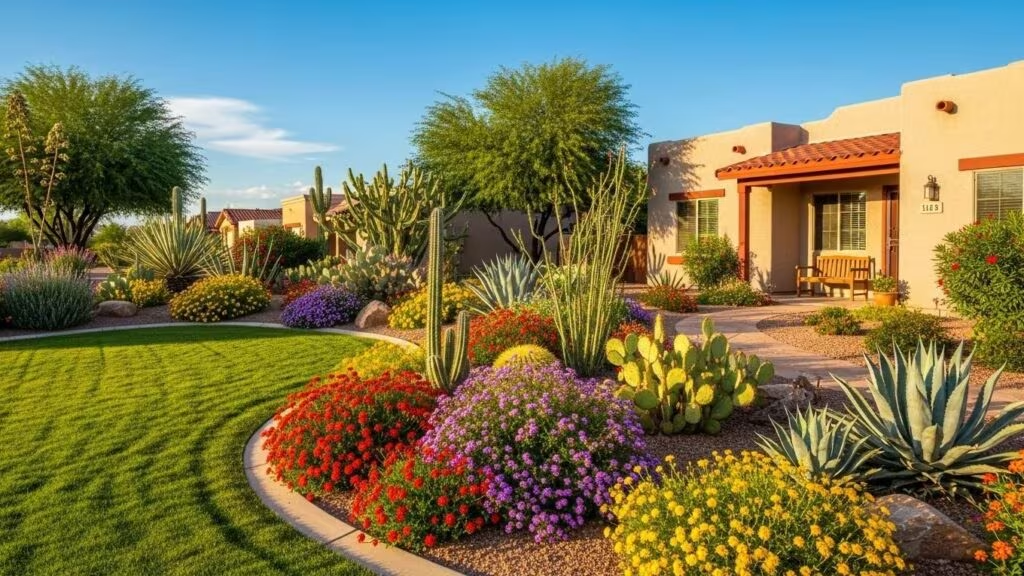
Landscaping is a critical element of homeownership that improves curb appeal and can increase property value. Many Peoria homeowners, however, make recurring errors that lead to increased maintenance demands and avoidable repair costs. This article identifies the most common mistakes and provides practical guidance to prevent them. By recognizing common pitfalls—planning oversights, improper plant selection, drainage failures, inadequate maintenance, and poor watering practices—homeowners can implement durable, climate-appropriate landscapes that perform well in Arizona’s conditions.
Research supports the combined advantages of desert-adapted landscaping for environmental resilience and property appreciation.
Desert-Adapted Landscaping for Phoenix Property Value
Evidence indicates that landscaping composed primarily of shrubs and trees adapted to desert conditions offers greater sustainability and lower life-cycle costs than non-adapted plantings.
Optimization of residential green space for environmental sustainability and property appreciation in metropolitan Phoenix,
Arizona, C Wang, 2021
Common residential landscaping mistakes made by homeowners in Peoria, AZ include:
Homeowners in Peoria commonly make design and management choices that reduce landscape performance and increase long-term costs. Identifying these errors is the first step to establishing a resilient, low-maintenance landscape. The sections below outline the most frequent issues and corrective strategies.
- Poor Planning: Many homeowners dive into residential landscaping projects without a clear plan, resulting in disorganized, ineffective designs.
- Choosing the Wrong Plants: Selecting plants that are not suited to the local climate can lead to poor growth and increased maintenance needs.
- Neglecting Drainage Issues: Failing to address drainage can lead to water pooling and damage to plants and structures.
- Ignoring Maintenance Needs: Overlooking ongoing landscape maintenance can lead to a decline in its health and appearance.
- Overwatering or Underwatering: Improper watering practices can stress plants and cause them to decline.
Sunburst Landscaping provides professional design, installation, and maintenance services that address these common challenges with solutions tailored to Peoria’s climate and property objectives.
Poor Planning
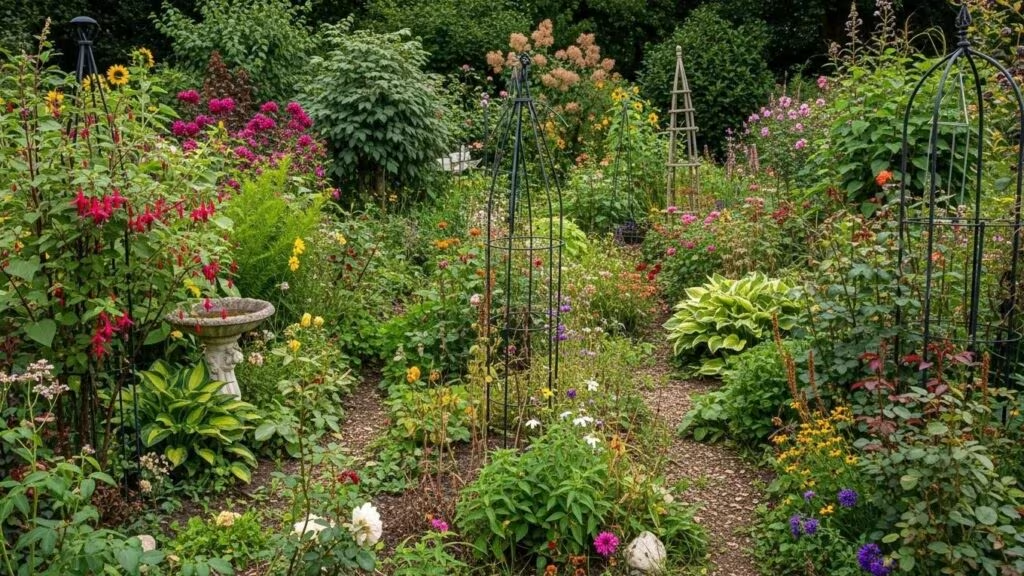
Effective landscapes begin with a comprehensive plan that defines layout, plant placement, and maintenance requirements. The absence of a cohesive plan often results in overcrowded plantings, poor sightlines, and conflicting functional zones. Consider site analysis for sun exposure and circulation, sketch multiple layouts, and consult a qualified designer to produce a coordinated plan that meets aesthetic and operational goals.
A practical planning checklist should include: defining primary use areas (play, entertaining, vegetable beds), mapping utilities and existing trees, noting prevailing wind and sun angles, and setting a maintenance budget. Including a scaled plan or simple diagram reduces the risk of later rework and helps when obtaining contractor quotes or homeowner association approvals.
Hardscape decisions—paths, patios, retaining walls, and lighting—should be integrated with planting plans from the outset. Decisions about paving materials and drainage influence plant selection and irrigation layout; integrating these elements early ensures cohesive function, safer walking surfaces, and fewer retrofit costs.
Choosing the Wrong Plants
Plant selection must balance aesthetic goals with climatic suitability. Choosing species for appearance alone often increases water demand and maintenance needs. In Peoria, prioritize native and drought-tolerant species—such as succulents, desert wildflowers, and native shrubs—to reduce irrigation needs and long-term upkeep. Verify plant characteristics and seek local expertise to match selections to the property’s microclimates.
Consider the plant’s mature size, root behavior, and seasonal needs when placing specimens. A small yard planted with trees that mature to very large can cause shading and root interference with hardscape. Group plants by water requirements (hydrozoning) to target irrigation efficiently. Plants with similar sun exposure and soil preferences will perform better and require less frequent replacement.
If you are uncertain about a species, consult local nurseries or municipal extension services for region-appropriate alternatives. When introducing new varieties, start with a limited trial planting to observe performance under your specific site conditions before committing to large-scale planting.
Neglecting Drainage Issues
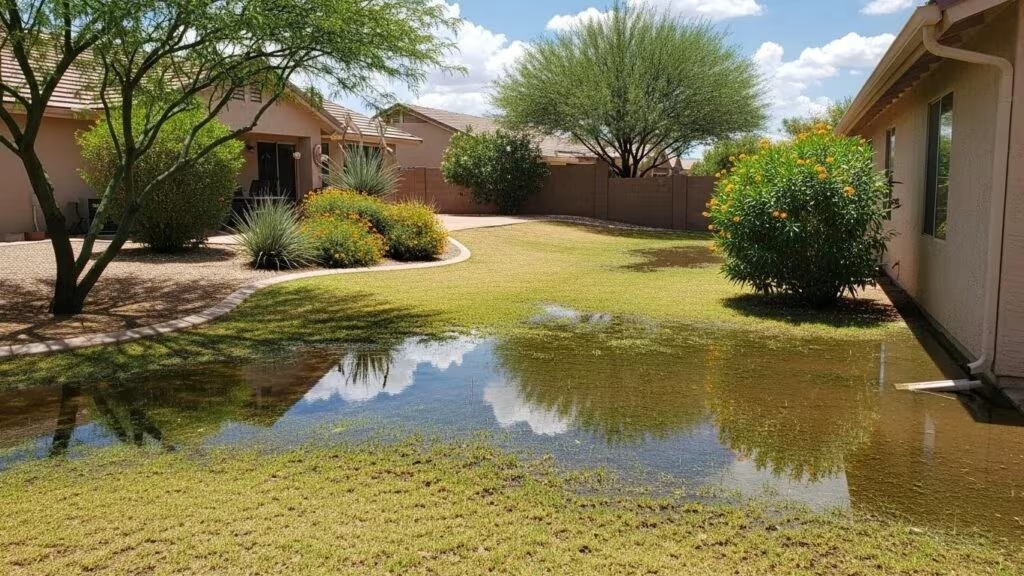
Adequate drainage is essential to prevent standing water that damages plants and structures. Identify low points and surface runoff patterns and implement corrective measures such as swales, French drains, or grading adjustments to protect vulnerable areas. Amending soil with organic matter can also improve infiltration and root health. Early intervention reduces repair costs and preserves landscape vitality.
Simple diagnostic steps include observing the property after a heavy rain, walking the site to locate collection points, and checking soil texture (clay soils hold water longer). Where surface drainage conflicts with neighboring properties or foundations, consult a qualified contractor to design solutions that comply with local codes and avoid transferring problems to adjacent lots.
Permeable paving, appropriately sized drainage inlets, and modest grading adjustments can often resolve pooling without large-scale excavation. Retaining walls and raised planting beds are additional options for controlling flow and protecting plantings in sloped yards.
Ignoring Maintenance Needs
Landscapes require scheduled maintenance to sustain health and appearance. Underestimating routine tasks—pruning, weeding, fertilizing, and pest monitoring—leads to deterioration and higher remediation costs. Establish a maintenance calendar aligned to seasonal needs. For property owners seeking assured performance, professional maintenance contracts deliver consistent care and predictable budgeting.
A basic seasonal maintenance plan should identify tasks by month: spring pruning and dust cleanup; summer irrigation checks and pest scouting; fall preparation for cooler weather; and winter inspections for structural repairs. Mulch replenishment, soil testing every few years, and inspection of irrigation emitters are simple tasks with high return on investment.
Training family members or hiring a vetted service ensures tasks are completed on schedule. Keep a simple log with dates and observations—this record helps diagnose recurring problems and supports conversations with contractors or plant health specialists.
Overwatering or Underwatering
Water management directly influences plant health and operational costs. Excess irrigation can cause root disease; insufficient irrigation stresses plants and impairs growth. Determine each species’ water requirements, use efficient delivery methods such as drip irrigation, and monitor soil moisture to optimize schedules. These practices conserve water while supporting robust root systems.
Adopt measurable checks such as a soil probe, a finger test in the root zone, or a moisture meter to avoid guesswork. Adjust irrigation seasonally and after significant landscape changes (new plantings, added mulch, changes to shade patterns). Where possible, use timers and smart controllers that account for local weather conditions; pairing them with well-designed drip systems reduces waste and promotes healthy root development.
Mulch application is an inexpensive method to reduce evaporation and moderate soil temperatures. Apply an appropriate depth of organic mulch around shrubs and perennials, keeping mulch away from tree trunks to prevent rot and rodent damage.
What Are the Top 5 Landscaping Mistakes Peoria Homeowners Commonly Make?
Awareness of the most common mistakes enables proactive planning and cost control. The following five items capture the primary sources of reduced landscape performance and increased expenses for Peoria properties.
- Lack of Planning: Jumping into landscaping without a clear plan can lead to disorganized, ineffective designs.
- Inappropriate Plant Selection: Choosing plants that are not suited to the local climate can lead to poor growth and increased maintenance needs.
- Ignoring Drainage: Failing to address drainage issues can lead to water pooling and damage to plants and structures.
- Neglecting Maintenance: Overlooking ongoing landscape maintenance can lead to a decline in its health and appearance.
- Improper Watering: Overwatering or underwatering can stress plants and cause them to decline.
Recognizing these errors allows homeowners to implement targeted solutions that improve longevity, lower maintenance costs, and enhance property value.
How Does Poor Plant Selection Affect Arizona Residential Landscapes?
Selecting unsuitable plants imposes measurable burdens on a landscape. Non-adapted species typically require more irrigation and fertilization, exhibit reduced vigor, and can attract pests not controlled by local conditions. These outcomes increase ongoing expenses and diminish aesthetic quality.
- Increased Maintenance: Unsuitable plants often require more water, fertilizer, and care, leading to higher maintenance costs.
- Poor Growth: Plants not adapted to the local environment may struggle to thrive, leading to stunted growth and unattractive landscapes.
- Pest Problems: Non-native plants can attract pests that are not naturally controlled in the area, leading to infestations and damage.
Prioritizing native, drought-tolerant species reduces water consumption and maintenance while improving long-term landscape performance in Arizona’s climate.
How Can Homeowners Avoid Common Landscaping Errors in Arizona?
Homeowners can reduce risk and lifecycle costs by following a structured approach to design and maintenance. The steps below focus on planning, plant suitability, and operational practices that deliver reliable results.
- Create a Comprehensive Plan: Before starting any landscaping project, take the time to develop a detailed plan that considers the layout, plant selection, and maintenance needs.
- Choose Suitable Plants: Research and select plants native to Arizona that can thrive in the local climate, focusing on drought-tolerant varieties.
- Address Drainage Issues: Assess the property for drainage problems and implement solutions to redirect water away from vulnerable areas.
- Establish a Maintenance Routine: Create a schedule for regular maintenance tasks, such as pruning, weeding, and watering, to keep the landscape healthy.
- Monitor Watering Practices: Familiarize yourself with your plants’ watering needs and adjust your practices to avoid overwatering or underwatering.
Adopting these measures helps homeowners create efficient, sustainable landscapes that align with property objectives and local environmental conditions.
What Are The Best Practices for Soil Preparation in Peoria Residential Landscaping?
Proper soil preparation underpins plant establishment and long-term landscape health. Implementing the following best practices improves nutrient availability and root development.
- Testing Soil Quality: Conduct a soil test to determine pH and nutrient levels, enabling informed amendments.
- Incorporating Organic Matter: Adding compost or well-rotted manure can improve soil structure, drainage, and nutrient availability.
- Tilling the Soil: Loosening the soil through tilling can enhance aeration and root penetration, promoting healthy plant growth.
Investing in soil analysis and targeted amendments creates a reliable foundation that reduces future inputs and supports vigorous plant growth.
For new installations, blend amendments into the planting zone rather than changing the entire yard profile; this approach supports establishment without excessive disturbance. When planting trees, pay attention to planting depth and root flare exposure—trees planted too deep commonly suffer from poor root oxygenation and decline.
How to Choose Native and Drought-Tolerant Plants for Sustainable Landscapes?
Choosing native and drought-tolerant species is central to sustainable landscaping in Peoria. The recommendations below help align plant selection with performance and ecological benefits.
- Research Local Flora: Familiarize yourself with native plants that thrive in Arizona’s climate, such as desert marigold, agave, and palo verde.
- Consider Plant Characteristics: Look for drought-tolerant plants that require minimal maintenance and provide habitat for local wildlife.
- Consult Local Experts: Seek advice from local nurseries or landscaping professionals who can recommend suitable plants suited to your specific landscape needs.
Emphasizing native and drought-adapted selections reduces irrigation demand, lowers maintenance, and supports local biodiversity.
The strategic deployment of native plants delivers environmental benefits that extend beyond visual improvements.
Arizona Native Plants: Water-Saving Urban Solutions
Promoting native species has enabled landscape professionals to develop urban plantings that mitigate summer heat stress and reduce reliance on supplemental water supplies.
Arizona native plants and the urban challenge, 2013
Which Irrigation System Solutions Improve Water Efficiency in Peoria, AZ?
Efficient irrigation is fundamental to conserving water while maintaining landscape health in an arid climate. Consider systems and controls that deliver water precisely and on schedule.
- Drip Irrigation: This system delivers water directly to plant roots, minimizing evaporation and runoff.
- Smart Irrigation Controllers: These devices adjust watering schedules based on weather conditions, ensuring plants receive the right amount of water.
- Rainwater Harvesting: Collecting rainwater for irrigation can reduce reliance on municipal water sources and promote sustainability.
Empirical studies further document the water-conserving advantages of subsurface drip systems in arid settings.
Subsurface Drip Irrigation for Efficient Arizona Turf
Subsurface drip irrigation can improve water delivery efficiency by placing water in the root zone and reducing evaporative loss in arid landscapes.
Comparison of subsurface drip irrigation and sprinkler irrigation for Bermuda grass turf in Arizona, CY Choi, 2000
Implementing drip irrigation, weather-responsive controllers, and rainwater capture can measurably reduce water use while sustaining plant performance.
When selecting equipment, evaluate emitter spacing, pressure regulation, and ease of maintenance. Regularly inspect filters and flush lines to prevent clogging, particularly when using harvested water. Zone irrigation by plant type—trees, shrubs, and groundcovers each have different delivery needs—so that controllers can operate efficiently and avoid waste.
How Can Homeowners Budget and Estimate Costs to Avoid Landscaping Mistakes?
Developing a clear budget prevents overspending and supports successful project delivery. Follow a systematic process to estimate costs and manage contingencies.
- Determine Project Scope: Clearly define the landscaping project’s scope, including design, materials, and labor costs.
- Research Costs: Gather estimates from local landscaping companies, such as Sunburst Landscaping, to understand the average costs for services and materials.
- Include Contingency Funds: Set aside a portion of the budget for unexpected expenses that may arise during the project.
Careful scope definition, market research, and contingency planning reduce the likelihood of budget overruns and support timely project completion.
Consider phasing large projects into manageable stages: establish primary structure and irrigation first, then add planting and decorative elements in subsequent seasons. Phasing spreads costs, allows for performance observation, and enables design adjustments as the landscape matures.
What Are Common Budgeting Errors in Residential Landscape Design in Peoria, AZ?
Homeowners frequently underestimate total project costs, overlook ongoing maintenance requirements, and attempt complex installations without professional input. These mistakes increase the probability of costly rework and higher life-cycle expenses.
- Underestimating Costs: Failing to account for all expenses, such as materials, labor, and maintenance, can lead to budget shortfalls.
- Neglecting Long-Term Maintenance: Overlooking ongoing maintenance costs can result in unexpected expenses down the line.
- Ignoring Professional Help: Attempting to complete complex landscaping projects without professional assistance can lead to costly mistakes.
Recognizing these common errors allows homeowners to prepare more accurate budgets and choose solutions that control costs over the landscape’s useful life.
How to Plan Projects with Tailored Solutions for Arizona’s Climate?
Planning with site-specific solutions ensures material and species choices perform under local conditions. The following considerations support custom, resilient designs.
- Assess Site Conditions: Evaluate the property’s specific conditions, including soil type, sun exposure, and drainage patterns.
- Select Appropriate Materials: Choose materials that are durable and suitable for the local climate, such as heat-resistant pavers and native plants.
- Incorporate Sustainable Practices: Implement xeriscaping and rainwater harvesting to create an environmentally friendly landscape.
Tailoring projects to Arizona’s climate yields landscapes that require fewer inputs, resist stressors, and deliver consistent performance.
Frequently Asked Questions
What are the benefits of using native plants in landscaping?
Using native plants reduces irrigation demand and maintenance while supporting local ecosystems and pollinators. Native species are adapted to regional conditions, which improves survival rates and lowers lifecycle costs. They also enhance landscape resilience and contribute to biodiversity.
How can I improve soil quality for my landscape?
Begin with a soil test to identify pH and nutrient status. Based on the results, amend the soil with organic matter, such as compost, to improve structure and nutrient retention. Tilling can increase aeration and root access, while mulch conserves moisture and suppresses weeds. These steps create a stable growth medium for plants.
What are the signs of poor drainage in a landscape?
Indicators of poor drainage include persistent water pooling, soggy soil, mold or mildew growth, and plant decline, such as yellowing leaves or root rot. Increased insect activity may also signal standing water. Promptly diagnosing drainage problems prevents structural damage and plant loss.
How often should I water my landscape in Peoria?
Watering frequency depends on plant species, soil type, and seasonal weather. Deep, infrequent irrigation encourages root development and is generally preferable to frequent shallow watering. In hot months, many plants require one to two deep irrigations per week; reduce frequency during cooler periods and adjust based on soil moisture measurements.
What landscaping features can help conserve water?
Water-conserving features include drip irrigation to target root zones, rain gardens to capture runoff, and mulch to retain soil moisture. Xeriscaping with drought-tolerant species is an effective strategy to minimize water use while maintaining attractive, functional landscapes.
How can I create a maintenance schedule for my landscape?
Develop a maintenance schedule by listing tasks—watering, pruning, weeding, fertilizing, and pest inspection—and assigning seasonal frequencies to each. Use a calendar or maintenance app to track tasks and adjust intervals based on plant response and weather. A documented schedule ensures consistent care and protects landscape investment.
What Plants Grow Best in Peoria, AZ, for Residential Landscaping?
Successful plant choices combine climatic suitability with aesthetic and functional goals. The plants listed below are well-suited to Peoria’s conditions and require relatively low irrigation and upkeep.
- Desert Marigold: A drought-tolerant perennial that produces bright yellow flowers and thrives in full sun.
- Agave: A low-maintenance succulent that requires minimal water and adds architectural interest to landscapes.
- Palo Verde: A native tree that provides shade and beautiful yellow blooms, making it an excellent choice for residential yards.
Selecting these species supports durable, water-efficient landscapes that perform well in Peoria’s climate.
When assembling plant palettes, include a mix of seasonal bloomers, structural succulents, and evergreen canopies to create visual interest year-round. Use shorter-lived annuals or seasonal color in pots and defined beds where replacement is expected, keeping permanent plantings low-maintenance.
How Can I Save Water Effectively with My Residential Landscape?
Reducing water use requires a combination of plant selection, irrigation technology, and site management. Apply the strategies below to achieve measurable savings while maintaining landscape quality.
- Implement Drip Irrigation: This system delivers water directly to the roots, minimizing evaporation and runoff.
- Choose Drought-Tolerant Plants: Selecting native, drought-resistant plants can significantly reduce water use.
- Mulch Around Plants: Applying mulch helps retain soil moisture and reduces the need for frequent watering.
Combining efficient irrigation with drought-adapted plantings and mulching reduces water consumption and lowers ongoing landscape costs.
Small operational changes also help: inspect irrigation systems monthly for leaks, replace broken emitters promptly, and avoid daytime watering during periods of high evaporation. Consider installing rain barrels to collect infrequent precipitation for targeted use in containers or young plantings.
Conclusion
Avoiding common landscaping mistakes allows Peoria homeowners to achieve sustainable, low-maintenance outdoor spaces that enhance property value. Emphasizing proper planning, climate-appropriate plant selection, and efficient irrigation supports measurable reductions in water use and maintenance expense. For tailored solutions that align with your property goals, consult local professionals to develop and implement a plan that delivers reliable, long-term results.
A modest initial investment in planning and appropriate materials typically reduces long-term costs and increases the likelihood that the landscape will meet both functional needs and aesthetic expectations. With informed choices and routine care, residential landscaping in Peoria can be resilient, attractive, and efficient.