
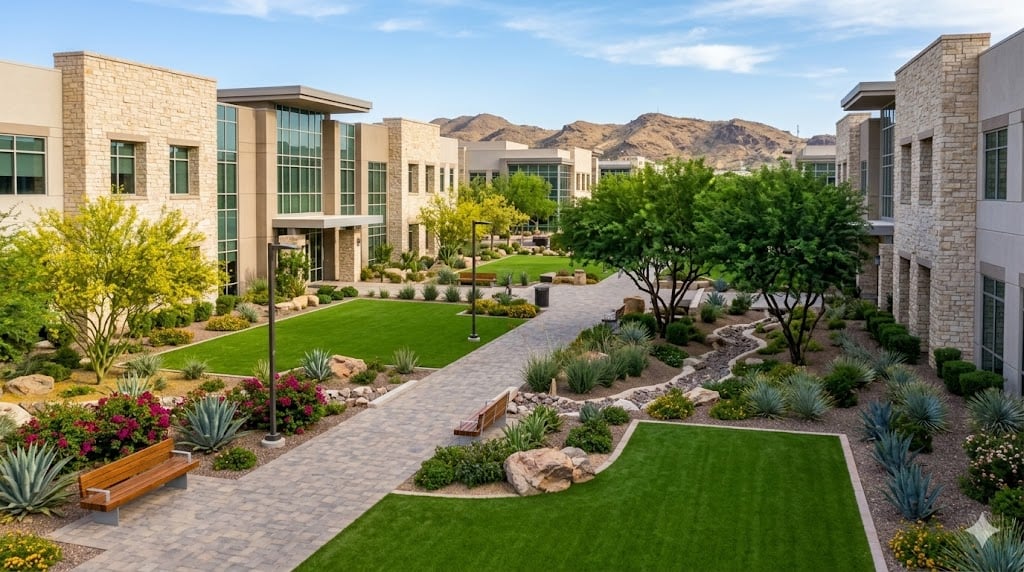
Homeowners in Peoria, AZ, are increasingly converting underused yards into functional outdoor living areas. Hardscaping provides structural definition and durable surfaces that combine aesthetic appeal with long-term performance. This article examines how hardscaping enhances outdoor living through established design principles, proven installation methods, and material selection suited to the local climate. It also outlines the role of custom contractors in delivering durable, client-focused outcomes. Throughout, the discussion highlights practical considerations—budget, site constraints, and maintenance—that guide realistic project decisions.
Expert Design Principles
Effective hardscape design is essential for creating functional outdoor spaces. A cohesive design integrates various elements, ensuring that patios, walkways, and retaining walls work harmoniously together. Key principles include:
- Cohesive Design: All elements should complement each other, creating a unified look. Cohesion is achieved through consistent material choices, repeating textures, and a controlled color palette that ties discrete features into a single composition.
- Functional Layout: Spaces must be designed with usability in mind, considering how homeowners will interact with them. This means placing seating near shade, designing clear circulation paths, and sizing patios to suit typical furniture and activity zones.
- Drainage and Grading: Proper drainage is vital to prevent water accumulation, ensuring longevity and safety. Grading should direct runoff away from structures and, where appropriate, include perimeter drains, swales, or permeable surfaces to reduce surface runoff.
These principles support the delivery of outdoor spaces that are both attractive and practical for daily use. Early-stage sketches and simple dimension checks often reveal potential conflicts and help prioritize design choices that improve usability while controlling cost.
Installation Techniques
Installation demands precise planning and execution. Professional contractors apply industry-standard techniques to ensure structural integrity and visual quality. Important aspects include:
- Material Selection: Choosing the right materials is crucial for both functionality and style. Considerations include thermal performance, slip resistance, and long-term wear specific to the local climate.
- Professional Installation: Skilled contractors ensure all elements are installed correctly and adhere to best practices. This covers base compaction, edge restraints, correct bedding materials for pavers, and proper anchoring for larger structures.
- Irrigation Integration: Incorporating irrigation systems during installation can enhance the longevity of plants and hardscape features. Integrating drip systems, smart controllers, and zoning during construction reduces the need for later retrofits.
These methods ensure projects meet homeowner requirements and deliver reliable, long-term performance. Careful site preparation—clearing vegetation, assessing existing grades, and locating underground utilities—reduces surprises during construction and shortens timelines.
Understanding the foundational principles of hardscape construction is crucial for ensuring both durability and aesthetic appeal, as highlighted by industry guides.
Hardscape Design & Construction Practices Guide
Expand knowledge of construction practices. A qualified design professional applies appropriate materials and construction methods at every phase of the design process. Graphic Standards Field Guide to Hardscape, 2010
Role of Custom Hardscape Contractors
Engaging a custom hardscape contractor is important for achieving the specified results. These specialists provide technical expertise, project coordination, and quality control across design and installation phases. Their services typically include:
- Expertise and Experience: Contractors understand the nuances of design and installation, ensuring high-quality outcomes. They translate design intent into buildable details, recommend durable components, and sequence work to avoid site conflicts.
- Comprehensive Services: From design to installation, contractors manage every aspect of the project. This often covers permitting, ordering materials, scheduling subcontractors, and coordinating inspections when required.
- Quality Assurance: Professional contractors guarantee that all work meets industry standards, providing homeowners with peace of mind. Warranties, punch-list completion, and documented final inspections are common quality-control steps.
Retaining a qualified contractor substantially improves the durability, functionality, and finish of hardscaping installations. Clear scopes of work and written proposals reduce misunderstandings and help align expectations for timeline and budget.
What Is Hardscaping and How Does It Enhance Outdoor Living Spaces in Peoria?
Hardscaping denotes the non-plant components of a landscape—patios, walkways, retaining walls, and similar structures. It establishes clear functional zones and stable surfaces for outdoor use. Key benefits include:
- Increased Usability: Hardscaping creates defined areas for activities like dining, entertaining, and relaxing. Well-sized patios and pathways make outdoor spaces practical year-round.
- Low Maintenance: Unlike traditional landscaping, hardscaping requires minimal upkeep, making it ideal for busy homeowners. Composite materials, sealed concrete, and well-draining surfaces reduce ongoing effort.
- Stormwater Management: Properly designed hardscape can help manage rainwater runoff, reducing erosion and flooding. Incorporating permeable pavers or drainage channels improves the site’s resilience to heavy rain.
These attributes make hardscaping an efficient strategy for homeowners seeking improved outdoor utility and longevity. When combined with targeted planting, hardscaping can also support biodiversity and microclimate control at the property level.
Design Elements of Hardscaping:
Hardscaping comprises several design elements that determine both the function and appearance of outdoor spaces. Key components include:
- Patios: Provide a solid surface for outdoor furniture and activities. Consider the sun’s orientation and prevailing winds when locating a patio.
- Walkways: Guide movement through the yard and enhance accessibility. Durable surfacing and clear sightlines improve safety and comfort.
- Retaining Walls: Offer structural support and can create tiered garden spaces. Walls can double as seating when designed to an appropriate height.
- Outdoor Kitchens: Extend living spaces and facilitate outdoor cooking and entertaining. Durable counters and weatherproof cabinets simplify maintenance.
- Fire Pits and Water Features: Add ambiance and enhance the outdoor experience. Thoughtful placement balances sound, sight, and safety considerations.
These components are adaptable to homeowners’ operational needs and aesthetic preferences. Combining elements in phased projects lets homeowners spread cost while still achieving functional improvements early in the process.
Benefits for Homeowners:
Hardscaping delivers measurable advantages that support property performance and enjoyment. Key advantages include:
- Increased Usability: Hardscaping creates functional areas for various activities, enhancing outdoor enjoyment. Properly planned layouts accommodate furniture, service paths, and circulation without crowding.
- Low Maintenance: Hardscape areas require less upkeep compared to traditional gardens, saving time and effort. Choosing stain-resistant finishes and routine sealing reduces long-term maintenance tasks.
- Stormwater Management: Well-designed hardscape can help manage water runoff, protecting the property from flooding. Strategies such as grading, permeable materials, and strategic planting contribute to effective water control.
- Enhanced Curb Appeal: Attractive hardscaping can significantly enhance a home’s visual appeal. A coherent front-yard hardscape often increases perceived value and street presence.
- Sustainability: Using drought-resistant materials and designs can contribute to environmentally friendly landscaping. Minimizing turf and prioritizing native plants reduces long-term water use.
Taken together, these benefits demonstrate the value of hardscaping as a strategic home improvement investment. When homeowners align scope with the budget and long-term goals, projects often deliver balanced returns in usability and reduced maintenance.
Which Hardscaping Materials Are Best Suited for Peoria’s Desert Climate?
Material selection is critical in Peoria’s desert climate. Preferred materials resist high temperatures and minimize water demand. Key options include:
- Natural Stone: Durable and aesthetically pleasing, natural stone is ideal for patios and walkways. Lighter tones can reduce heat absorption, improving comfort underfoot.
- Concrete Pavers: Versatile and easy to maintain, concrete pavers can be used for a variety of hardscape features. Interlocking systems provide flexibility for repairs and pattern variation.
- Artificial Turf: Provides a green space without requiring irrigation, making it a sustainable choice. Use in high-traffic areas where natural grass would struggle.
- Xeriscaping Materials: Incorporating drought-resistant plants and materials can enhance the landscape while conserving water. Mulches and decomposed granite help retain soil moisture where plants are used.
Appropriate material choice preserves functionality and appearance over the long term. Consider UV stability, finish texture, and the cost of regular upkeep when comparing options.
Durable and Drought-Resistant Materials for Long-Lasting Hardscapes
Durability and drought resistance are essential in Peoria. Recommended materials include:
- Flagstone: Known for its natural beauty and durability, flagstone is perfect for patios and walkways. Its irregular shapes create natural-looking patterns and slip-resistant surfaces.
- Concrete: A strong and versatile option, concrete can be molded into various shapes and designs. Stamped or colored finishes can mimic more expensive materials while offering easier maintenance.
- Pavers: Available in numerous styles, pavers are ideal for creating unique patterns and designs. They allow isolated repairs and can be combined with permeable base systems to improve drainage.
- Decomposed Granite: This material is excellent for pathways and can help with drainage. It compacts to form a stable walking surface while maintaining a natural look.
- Gravel: A cost-effective option that provides good drainage and can be used in various applications. Selecting angular aggregates improves stability underfoot.
These materials withstand local environmental conditions while contributing to the property’s visual character. Selecting finishes that reduce heat retention and resist fading will lengthen service life and comfort.
Comparing Natural Stone, Pavers, and Concrete for Arizona Backyards
Comparing material options clarifies trade-offs in durability, maintenance, appearance, and cost. Each option offers distinct performance characteristics suited to different project goals.
| Material | Durability | Maintenance Requirements | Aesthetic Appeal | Cost-Effectiveness |
|---|---|---|---|---|
| Natural Stone | High | Low | High | Moderate |
| Pavers | Moderate | Moderate | High | Moderate |
| Concrete | High | Low | Moderate | Low |
This comparison enables homeowners to select materials that align with budget constraints and performance expectations. Consider lifecycle costs—including sealing, repairs, and cleaning—when evaluating upfront pricing. In many cases, a mixed-material approach balances visual richness and maintenance demands.
How Does Custom Patio Design Improve Usability and Aesthetics in Peoria Backyards?
Custom patio design improves both functionality and visual appeal. By aligning layout and features with household routines, a patio can support specific activities and enhance daily use. Thoughtful scale, proportion, and access to shade or wind protection make patios comfortable during hotter months.
Emphasizing the user’s experience, modern design approaches prioritize functionality and well-being to create truly effective outdoor living areas.
User-Centered Design for Functional Outdoor Living Spaces
This study critically examines the application of user-centered design (UCD) as a methodological framework for enhancing the design of outdoor living spaces in residential buildings, with a particular emphasis on optimizing users’ quality of life and well-being.
Utilizing User-Centered Design Approaches to Enhance the Design of Private Outdoor Living Spaces: Case Study of Taif City, R Alsabban, 2025
- Design Elements: Incorporating features such as built-in seating and shade structures can enhance comfort and functionality. Durable cushions, integrated planters, and defined circulation paths keep the space usable and attractive.
- Materials Used: Selecting materials that complement the home’s architecture enhances visual appeal. Coordinating tones and textures with existing facades and roofing produces a cohesive property-wide aesthetic.
- Examples of Successful Projects: Showcasing past projects can inspire homeowners and demonstrate the potential of custom designs. Before-and-after photos, annotated plans, and material samples help clients visualize outcomes.
These factors result in inviting, functional outdoor spaces that are tailored to the homeowner’s requirements. Phasing a patio project can allow early use while higher-cost features (outdoor kitchens, lighting) are scheduled later.
Design Principles for Creating Functional and Inviting Patios
Key design principles ensure patios are both usable and welcoming. Considerations include personalization, circulation, and feature integration.
- Personalization: Tailoring the design to reflect the homeowner’s style and preferences. Custom details like integrated planters, color accents, or patterned paver layouts create distinct character.
- Flow and Structure: Ensuring that the layout promotes easy movement and interaction. Allow for comfortable clearance around furniture and clear routes to the house and landscape features.
- Integration of Features: Incorporating elements like lighting and landscaping to enhance the overall experience. Low-voltage and task lighting near cooking areas safely extend usable hours.
- Low-Maintenance Landscaping: Choosing plants and materials that require minimal upkeep. Grouping plants with similar water needs reduces irrigation complexity.
- Lighting: Adding ambient lighting can extend the patio’s usability into the evening. Consider layered lighting—path, task, and accent—to balance safety and ambiance.
Applying these principles produces patios that perform well for routine use and social occasions. Early consideration of storage for cushions and accessories protects investment and reduces clutter.
Incorporating Local Landscape Features into Patio Designs
Incorporating local landscape features improves aesthetic coherence and long-term performance. Design decisions should reflect native flora and regional characteristics.
- Local Plants: Using native plants can create a harmonious look and support local wildlife. Natives also tend to require less water and maintenance once established.
- Materials: Selecting materials that reflect the local environment can enhance the design’s authenticity. Earth tones and textured surfaces often complement desert landscapes.
- Design Considerations: Taking into account the surrounding landscape can help create a seamless transition between the patio and the yard. Use gradual elevation changes, steps, or planting beds to connect areas.
- Sustainability: Incorporating eco-friendly practices can contribute to a more sustainable outdoor space. Mulching, water-wise planting, and permeable paving reduce environmental impact.
These measures ensure patios integrate with their surroundings while supporting sustainable performance. A coherent palette of plant textures and hardscape materials simplifies maintenance and enhances visual unity.
What Are the Structural Benefits and Uses of Retaining Walls in Outdoor Living Spaces?
Retaining walls provide structural support and can visually define outdoor spaces. Primary benefits include:
- Landscape Stability: Retaining walls help prevent soil erosion and maintain the integrity of sloped areas. Well-drained backfill and proper weep systems reduce hydrostatic pressure and prolong wall life.
- Design Aesthetics: They can be designed to complement the overall landscape, adding visual interest. Textured block, natural stone veneer, or planted terraces create layered compositions.
- Functionality: Retaining walls can create tiered gardens, maximizing usable space in the yard. Terraces allow separate planting zones, seating, or even compact play areas.
These functions make retaining walls a practical investment for improving yard stability and usability. Early engineering review for taller walls ensures compliance with local regulations and safe long-term performance.
Retaining Wall Installation Techniques for Stability and Style
Correct installation is critical to ensure stability and a refined appearance. Best practices include sound material choices, adequate foundations, and engineered drainage.
- Material Selection: Choosing durable materials that can withstand the elements. Modular block systems provide simplicity, while poured concrete and stone offer custom aesthetics.
- Proper Grading: Ensuring that the wall is built on a solid foundation to prevent shifting. Compacted aggregate footings and geotextile separation improve base performance.
- Backfill and Drainage: Incorporating drainage systems to manage water flow and prevent pressure buildup. Gravel backfill and perforated pipes often reduce saturation behind the wall.
- Reinforcement: Using additional support structures as needed to enhance stability. Geogrid reinforcement or keyed foundations may be appropriate for higher walls.
These installation methods extend service life and maintain performance under load and in weathering conditions. Coordinating wall design with landscape drainage plans protects both the wall and adjacent features.
Maximizing Usable Space with Retaining Walls in Peoria Yards
Retaining walls increase usable area by creating level terraces and defined planting zones. Strategies to maximize space include:
- Soil Retention: Retaining walls hold back soil, allowing for the creation of level areas in sloped yards. Integrating planting pockets reduces long, exposed faces and softens the wall’s appearance.
- Increased Usable Space: By creating tiered levels, homeowners can maximize their outdoor area for gardening, entertaining, or relaxation. Terraces can be sized for seating, small lawns, or raised planters.
- Drainage Management: Properly designed retaining walls can help manage water runoff, protecting the landscape. Coordinated grading directs flows to planned collection or infiltration areas.
These approaches convert challenging topography into practical, multi-level outdoor spaces. Consider combining seating and planting with wall tops to make every terrace functional.
How Can Outdoor Kitchen and Fire Pit Installations Enhance Backyard Functionality?
Outdoor kitchens and fire pits expand backyard functionality by providing dedicated spaces for cooking, dining, and socializing. Well-designed installations support entertaining and increase daily use. Key benefits include:
- Design Elements: Incorporating features like grills, countertops, and seating areas can create a complete outdoor cooking experience. Durable finishes and accessible storage keep tools and accessories organized.
- Layout Considerations: Thoughtful placement of these features can improve flow and accessibility. Keeping cooking zones near service paths and seating areas reduces movement during events.
- Features Promoting Usability: Adding amenities such as lighting and storage can enhance the functionality of outdoor spaces. Weatherproofing cabinets and covers protects appliances when not in use.
Such installations foster regular outdoor use and enhance the property’s functional footprint. Plan utility access early—gas, electrical, and water—so that later additions are straightforward.
Designing Outdoor Kitchens for Entertaining and Convenience
Designing an outdoor kitchen requires attention to durable materials, efficient layout, and user convenience. Key considerations include:
- Durable Materials: Selecting weather-resistant materials can enhance longevity and ease of maintenance. Choose corrosion-resistant appliances and sealed countertops that withstand outdoor exposure.
- Integrated Features: Incorporating appliances and storage solutions can improve usability. Include task lighting, service counters, and trash management to streamline food preparation and cleanup.
- Zoning: Creating distinct areas for cooking, dining, and relaxing can enhance the overall experience. Separating heat-producing appliances from seating increases comfort and safety.
These design decisions produce outdoor kitchens optimized for entertaining and routine use. Accessibility for service and cleaning also improves the long-term user experience.
Selecting Fire Pit Styles That Complement Peoria Hardscapes
Selecting a fire pit involves balancing style, material performance, and placement to complement existing hardscape elements. Considerations include:
- Design Options: Fire pits come in various styles, from modern to rustic, allowing homeowners to select one that fits their taste. Choose sizes and seating arrangements that suit typical gathering sizes.
- Materials: Using materials that match the surrounding hardscape can create a cohesive look. Heat-resistant finishes and proper clearance from combustibles are essential for safe operation.
- Integration with Hardscape Features: Positioning fire pits near seating areas or patios can enhance usability and comfort. Incorporate low backrests or integrated benches to streamline seating plans.
Appropriate selection ensures fire pits enhance both comfort and the overall landscape composition. Consider maintenance access and ash management when selecting a style.
What Maintenance Practices Ensure Longevity of Hardscaping Features in Peoria?
Regular maintenance preserves performance and appearance. Recommended practices include scheduled inspections, routine cleaning, protective treatments, and timely repairs. Seasonal reviews help address climate-dependent wear.
- Regular Inspections: Checking for signs of wear or damage can help identify issues early. Inspect joints, edging, and drainage points after storms or seasonal changes.
- Routine Cleaning: Keeping surfaces clean prevents buildup that can lead to deterioration. Use manufacturer-recommended sealant cleaners and avoid harsh chemicals on pavers and stone.
- Preventive Treatments: Applying sealants and protective coatings can enhance durability. Sealers reduce staining and slow the effects of UV exposure on some materials.
- Timely Repairs: Addressing any damage promptly can prevent further issues. Repairing mortar joints, replacing shifted pavers, or re-compacting bases stops small problems from escalating.
- Seasonal Checks: Preparing hardscape for seasonal changes can help maintain its integrity. Check irrigation systems, clear debris from drains, and inspect fixtures before high-use periods.
Consistent maintenance practices are essential to preserve both aesthetic and structural integrity over time. A simple annual checklist helps homeowners budget for upkeep and plan contractor visits where needed.
Routine Care for Pavers, Patios, and Retaining Walls
Different hardscape elements require tailored care. Best practices include the use of appropriate cleaning agents, scheduled sealing, and prompt repair of cracks or settlement.
- Cleaning Methods: Using appropriate cleaning solutions can prevent staining and damage. Pressure washing on a low setting, gentle scrubbing with non-abrasive brushes, and targeted spot treatments are effective strategies.
- Sealing Recommendations: Regularly sealing surfaces can protect against weathering and wear. Follow manufacturer guidance on reapplication intervals to maintain protection.
- Repair Techniques: Knowing how to address cracks or shifts can prolong the life of hardscape. Replacing individual pavers, stabilizing edge restraints, and re-leveling settled areas are common repair actions.
Adhering to these practices helps maintain condition and extends the service life of hardscaping features. Keeping a photo log and treatment dates simplifies future maintenance planning.
Addressing Desert Climate Challenges to Preserve Hardscape Quality
Peoria’s desert climate imposes constraints on material selection and installation. Effective strategies include selecting heat-tolerant materials, applying suitable installation techniques, and scheduling regular maintenance.
- Suitable Materials: Choosing materials that can withstand high temperatures and limited moisture is crucial. Consider finishes that reflect heat and resist UV degradation.
- Techniques: Implementing proper installation techniques can enhance durability. Adequate compaction, correct jointing materials, and appropriate drainage detail mitigate climate impacts.
- Maintenance Strategies: Regular upkeep can help mitigate the effects of the harsh climate. Routine checks for sun-related surface wear and maintenance of shaded seating areas will improve comfort and longevity.
These measures help hardscape remain resilient and maintain its visual appeal despite environmental stressors. Introducing shade elements—such as pergolas or umbrellas—reduces thermal stress on both materials and occupants.
How Do Sunburst Landscaping’s Custom Hardscape Services Deliver Tailored Solutions in Peoria?
Sunburst Landscaping delivers custom hardscape solutions tailored to the specific needs of Peoria homeowners. Their service scope covers concept design through final installation, with an emphasis on material suitability and project quality. Core offerings include:
- Design Options: Sunburst Landscaping offers a variety of design choices to fit individual preferences and styles. Clients can typically review material samples and layout options during design meetings.
- Materials Used: High-quality materials suited to the local climate, ensuring durability and aesthetic appeal. Material selection prioritizes long-term performance and ease of maintenance.
- Customer Satisfaction Outcomes: Their commitment to quality and customer service results in successful projects that meet client expectations. Clear communication, documented timelines, and post-installation follow-up are part of delivering consistent results.
These bespoke solutions help homeowners create functional, durable outdoor living areas that align with their objectives. Clients benefit from structured proposals and staged work plans that help manage budget and construction impact.
Comprehensive Design-to-Installation Process for Client Satisfaction
Sunburst Landscaping employs a structured design-to-installation workflow to ensure client expectations are met. The process includes:
- Initial Consultation: Understanding the client’s vision and requirements. Site photos and basic measurements at this stage speed up later design steps.
- Custom Design: Creating a design that reflects the homeowner’s style and needs. Designers typically provide annotated plans and material boards to guide decisions.
- Site Preparation: Ensuring the area is ready for installation. This includes demolition of existing elements, grading, and utility marking.
- Installation: Executing the design with precision and care. Dedicated project managers coordinate trades and deliver progress reports.
- Quality Assurance: Conducting final checks to ensure everything meets high standards. Final walkthroughs and punch list completion confirm that the project meets the homeowner’s expectations.
This methodical approach delivers consistent quality and supports client satisfaction throughout the project lifecycle. Clear milestones and open communication reduce surprises and help projects finish on schedule.
Case Studies Demonstrating Successful Backyard Transformations
Sunburst Landscaping’s project portfolio documents successful backyard transformations and demonstrates technical capability and design range. Highlights include:
- Project Examples: Detailed descriptions of various projects that illustrate the range of services offered. Examples often show scaled layouts, material selections, and staged phasing plans.
- Client Testimonials: Feedback from satisfied customers that highlights the quality of work and service. Testimonials frequently reference responsiveness, craftsmanship, and adherence to timelines.
- Before and After Comparisons: Visual evidence of the transformations achieved through their hardscaping services. Images that show problem areas and the design solutions provide a practical context for prospective clients.
These case studies provide prospective clients with evidence of quality and reliable outcomes. Reviewing similar projects that are already installed helps homeowners set realistic expectations for scale, budget, and timeframe.
How Can Homeowners Request a Quote and Begin Their Hardscaping Project in Peoria?
Homeowners may request a quote from Sunburst Landscaping through a defined process that facilitates accurate estimates and planning. The procedure typically involves the following steps:
- Prepare Your Property: Assess the area to determine what changes are desired. Take photos and note existing features to share with the contractor.
- Gather Necessary Information: Compile any relevant details about the project. Approximate dimensions, preferred materials, and desired features speed the estimating process.
- Contact Local Contractors: Reach out to Sunburst Landscaping for a consultation. Initial conversations can clarify scope, timing, and budget expectations.
- Request a Quote: Provide the information you’ve gathered to receive a tailored quote. Clarify allowances for materials and any optional upgrades you would like priced separately.
- Review and Finalize: Discuss the quote and finalize the project details. Ask about schedule windows, payment milestones, and warranty coverage before signing.
Following this sequence simplifies project initiation and helps ensure accurate proposals. Providing up-front information reduces the back-and-forth required to produce precise estimates.
Step-by-Step Guide to Requesting a Custom Hardscape Quote
To request a custom hardscape quote efficiently, prepare project details, communicate budget parameters, and schedule a site assessment. The standard steps are:
- Gather Project Information: Outline the desired features and materials. Providing inspiration images or annotated sketches helps designers visualize preferences.
- Prepare for Communication: Be ready to discuss preferences and budget with the contractor. Clear budget ranges produce proposals that match realistic expectations.
- Contact Contractors: Reach out to Sunburst Landscaping to initiate the process. Online forms and photo attachments accelerate the initial review.
- Schedule a Site Visit: Arrange for a contractor to assess the property and discuss options. A site visit allows for accurate measurements, utility checks, and identification of site constraints.
- Receive a Proposal: Review the contractor’s proposal, which will include costs and timelines. Confirm material allowances, exclusions, and projected start and completion windows.
This checklist helps homeowners prepare for the initial stages and supports the development of clearer, more accurate proposals. Keeping a prioritized list of must-haves versus nice-to-haves makes trade-offs easier during budgeting.
What to Expect During the Consultation and Installation Phases
During consultation and installation, homeowners should expect an organized process focused on project goals, timelines, and quality control. Key elements include:
- Consultation Phase: Discussing project goals, preferences, and budget with the contractor. Expect questions about site constraints, preferred materials, and typical use patterns.
- Installation Phase: Observing the backyard’s transformation as the project progresses. Reputable contractors provide progress updates and adjust sequencing to reduce disruption.
- Homeowner Involvement: Staying engaged throughout the process to ensure satisfaction with the results. Regular check-ins and timely decisions on finish selections keep the project moving smoothly.
Familiarity with these phases improves decision-making and helps maintain project alignment with homeowners’ expectations. Having a single point of contact for questions simplifies coordination and reduces delays.
Frequently Asked Questions
What are the key differences between hardscaping and landscaping?
Hardscaping comprises the non-plant components—patios, walkways, retaining walls—while landscaping includes both hard and soft elements, such as plants, trees, and flowers. Hardscaping focuses on structural function and long-term utility; landscaping integrates these elements to achieve a cohesive, site-appropriate environment. Recognizing this distinction supports clearer project scope and budgeting. In practice, the most successful projects treat hardscape and plantings as complementary systems rather than separate tasks.
How can hardscaping improve property value?
Well-executed hardscaping increases property value by adding usable outdoor living areas that appeal to buyers. Features such as patios, outdoor kitchens, and defined walkways enhance functionality and curb appeal, which can shorten time on market and support higher offers. Homeowners should view hardscaping as a strategic investment with measurable returns. Prioritizing durable finishes and flexible layouts often yields the broadest appeal to future buyers.
What are the best practices for maintaining hardscaping features?
To maximize lifespan, conduct regular inspections, perform routine cleaning, and apply protective sealants as recommended. Address cracks, settling, or drainage concerns promptly to prevent escalation. Seasonal checks help anticipate climate-related impacts and maintain consistent performance. Developing a simple maintenance schedule and documenting the work performed helps keep warranties valid and preserve value.
Can hardscaping help with drainage issues in my yard?
Yes. Properly engineered hardscape features—retaining walls, permeable pavers, graded surfaces, and drainage channels—can control runoff and reduce erosion. A professional assessment will identify site-specific solutions to manage water effectively and protect structures. Small-scale adjustments, like adding a swale or adjusting grading, can dramatically improve how water moves across a property.
What types of hardscaping materials are most durable in desert climates?
In desert climates, select materials that resist heat and thermal cycling, such as natural stone, concrete pavers, and flagstone. Xeriscaping materials and artificial turf further reduce irrigation requirements while maintaining visual appeal. Appropriate selection supports longevity and lowers lifecycle maintenance costs. Consider finishes and colors that reflect heat and resist sun damage for improved comfort.
How can I incorporate sustainability into my hardscaping project?
Incorporate drought-tolerant planting, permeable paving, rain gardens or bioswales, and recycled materials to reduce water use and manage stormwater. These strategies decrease environmental impact and can improve long-term site performance and resilience. Small design choices—grouping plants by water needs and limiting irrigated turf—yield meaningful reductions in water demand.
What should I consider when designing an outdoor kitchen?
Design an outdoor kitchen with weather-resistant materials, efficient work zones for cooking and service, adequate storage, and appropriate lighting. Plan for durable appliances and surfaces that match usage patterns to ensure convenience and reduce long-term maintenance. Confirming utility access and planning for cover or shade helps protect equipment and improve year-round usability.
Conclusion
Hardscaping delivers increased usability, lower maintenance demands, and improved curb appeal when designed and executed to professional standards. Applying proven design principles and quality materials produces functional outdoor spaces that reflect homeowner objectives. Engaging a professional contractor ensures precise installation and quality assurance. Contact our team to request a tailored quote and get started on your project. Early planning, clear budgets, and staged implementation help homeowners create durable, attractive outdoor living spaces that suit both lifestyle and climate.