
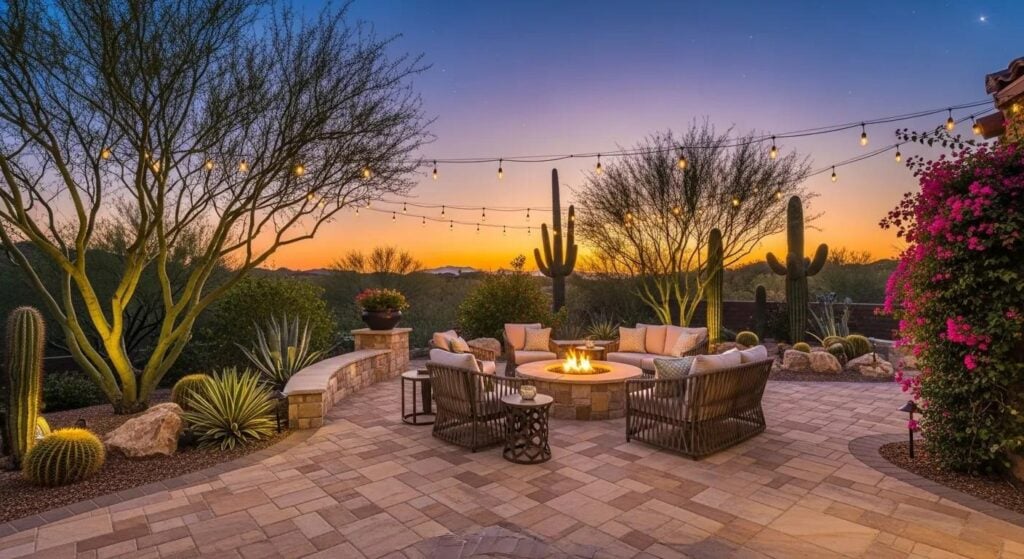
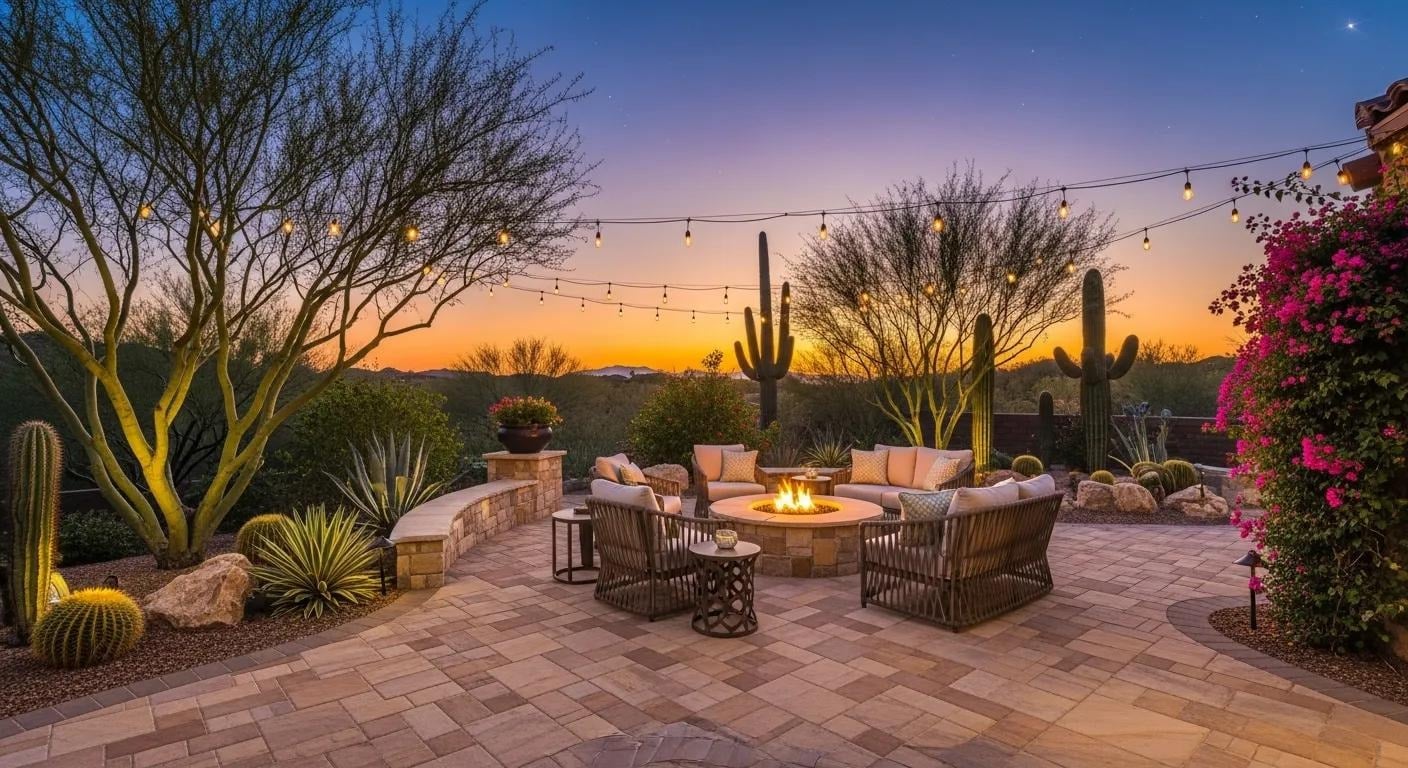
Patio and paver installations are integral elements of outdoor living in Arizona’s climate. A clear understanding of associated costs enables homeowners to plan effectively. This guide examines the primary cost drivers—material selection, labor, and project complexity—then reviews common paver types, the installation sequence, maintenance requirements, and typical costs. Readers will conclude with a practical framework for budgeting their patio projects and an appreciation of professional services such as those provided by Sunburst Landscaping.
What Are the Key Cost Factors Affecting Patio and Paver Installation in Arizona?
Several principal factors determine the cost of paver and patio installations in Arizona. Identifying these drivers in advance helps homeowners form realistic budgets and select appropriate solutions. Material pricing, labor rates, and site preparation are the most influential factors.
- Material Prices: The cost of paver materials can vary significantly, with premium options typically ranging from low to moderate per square foot.
- Labor Costs: Labor typically accounts for 40-50% of the total installation cost, making it a crucial factor in budgeting.
- Site Preparation: Proper site preparation is essential for a successful installation and can add 10-30% to the overall budget.
These cost drivers underscore the need for careful planning, accurate scope definition, and contingency allowance when preparing a project budget.
How Do Material Choices Influence Installation Pricing?
Material selection is a primary determinant of upfront cost and long-term performance. Different materials present distinct price points, durability characteristics, and maintenance obligations that affect total lifecycle cost.
- Material Selection: Premium materials, such as natural stone, can lead to higher upfront costs but may offer greater durability and aesthetic appeal.
- Durability: For instance, travertine pavers can last over 25 years with proper maintenance, making them a worthwhile investment despite their higher initial cost.
- Labor Costs: More intricate designs may require skilled labor, which can further influence the overall cost of the project.
Selecting the appropriate material requires balancing initial expenditure against expected lifespan and maintenance frequency to achieve optimal value.
What Role Does Labor and Project Complexity Play in Cost Variation?
Labor and project complexity materially affect final pricing. The required skill level, installation methodology, and design intricacy all influence labor hours and costs.
- Labor Costs: As mentioned, labor typically accounts for about 40-50% of the total installed cost.
- Complex Designs: Basic installations can increase by 10-20% for moderate complexity, while highly intricate designs may require specialized skills and additional time.
- Site Conditions: Unforeseen site conditions, such as rocky terrain or drainage issues, can complicate installations and increase costs.
Anticipating complexity and assessing site conditions during the planning phase reduces the risk of budget overruns and schedule delays.
Which Types of Pavers Are Commonly Used in Arizona and What Are Their Price Ranges?
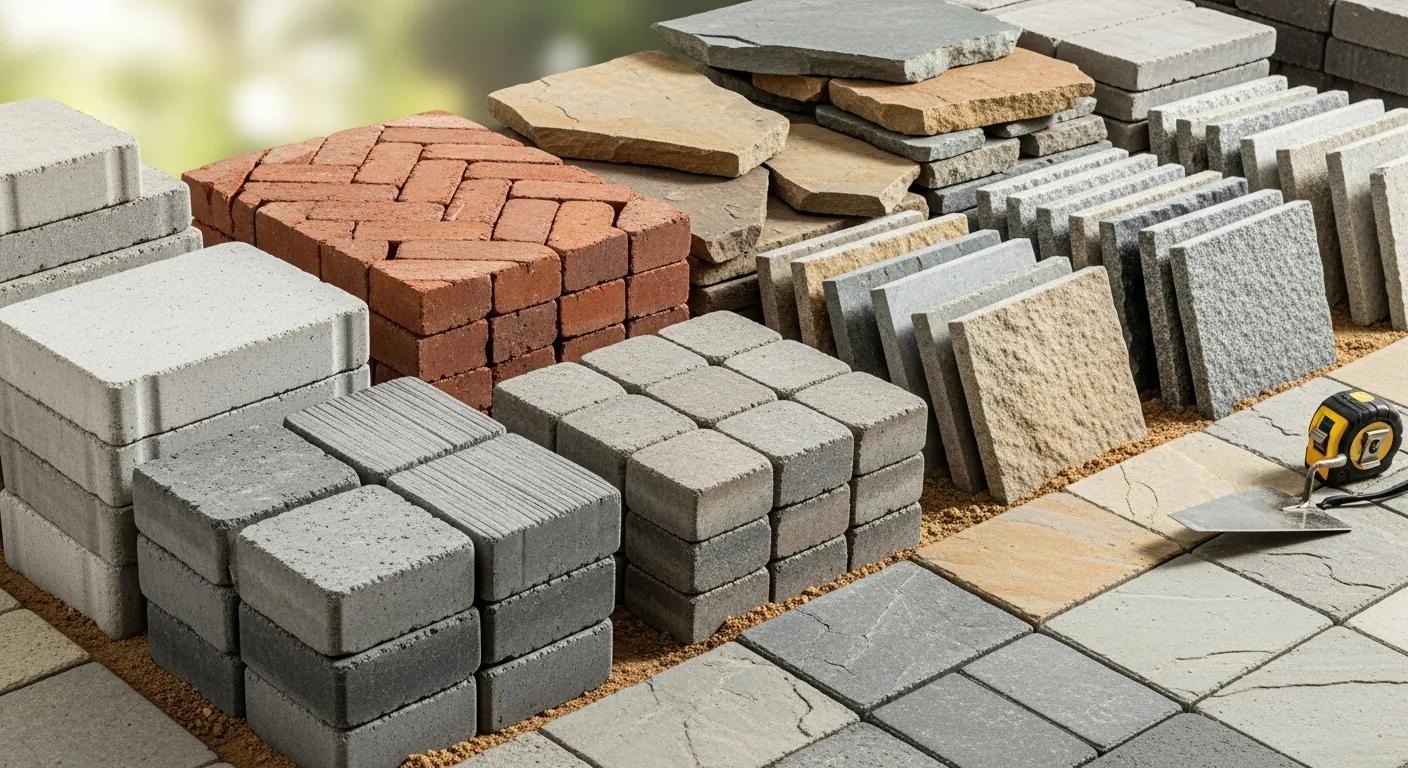
Arizona homeowners commonly select from concrete, brick, and natural stone pavers. Each option presents distinct cost ranges and performance characteristics relevant to the local climate and intended use.
- Concrete pavers are a durable and versatile option suitable for a wide range of outdoor applications. They offer strong performance and may require periodic sealing to help maintain their appearance over time.
- Brick pavers are valued for their classic and visually appealing finish. They provide a distinctive look that enhances outdoor spaces, though performance can vary with climate, so careful selection is important.
- Natural stone pavers, such as travertine and flagstone, deliver a premium, high-end appearance with excellent durability. They create a unique, elegant aesthetic that enhances the overall look and feel of any outdoor space.
Understanding cost differentials and material properties enables homeowners to align aesthetic goals with budgetary and longevity requirements.
Comparing Concrete, Brick, and Stone Pavers for Durability and Cost
Durability and cost must be evaluated together when selecting pavers. Each material yields trade-offs in maintenance, lifespan, and initial investment.
- Travertine: Offers superior longevity, lasting over 25 years with proper maintenance. Its natural beauty adds value to outdoor spaces.
- Concrete Pavers: More affordable but require regular maintenance, including sealing to prevent staining and wear.
- Brick Pavers: Provide a classic look but may perform differently in extreme heat, which can affect their longevity.
Comparing these attributes allows rational selection based on expected use, maintenance capacity, and desired return on investment.
How Does Arizona’s Climate Affect Paver Material Selection?
Arizona’s high temperatures, intense solar exposure, and seasonal storms require materials that resist heat, UV degradation, and occasional heavy runoff.
- Durability: Pavers must withstand high temperatures and UV exposure, making durability a crucial factor in material selection.
- Temperature Considerations: Some materials, like travertine, are preferred for their resistance to extreme temperatures, ensuring comfort underfoot.
- Moisture Management: Proper drainage is essential to prevent water pooling, which can damage pavers over time.
Specifying materials and detailing drainage to suit Arizona’s conditions improves performance and reduces lifecycle costs.
What Is the Typical Installation Process and Timeline for Patios in Arizona?
Patio installation in Arizona follows a defined sequence of tasks. Each step contributes to the schedule and the quality of the finished installation.
- Consultation: The first step is to discuss the homeowner’s needs and preferences, enabling a tailored approach to the project.
- Site Preparation: This crucial phase includes clearing the area, addressing drainage issues, and ensuring a stable foundation for the pavers.
- Installation: The actual laying of pavers follows, with attention to design and alignment to ensure a professional finish.
- Final Touches: Completing any additional features, such as landscaping or lighting, wraps up the project.
Typical installations proceed through consultation, assessment, preparation, installation, and finalization to ensure predictability and quality control.
Step-by-Step Overview of Patio and Paver Installation
The installation process can be broken down into several steps:
- Initial Consultation: Understanding the homeowner’s vision and requirements.
- Site Assessment: Evaluating the area for potential challenges, such as drainage issues or uneven terrain.
- Preparation: Clearing the site and preparing the base for paver installation.
- Laying Pavers: Carefully placing pavers according to the design plan.
- Finishing Touches: Adding joint sand, sealing, and any additional landscaping features.
Adhering to a staged workflow promotes consistent results and facilitates quality inspections at each milestone.
How Long Does Installation Usually Take and What Influences Duration?
Installation duration depends on project size, design complexity, and external conditions such as weather and labor availability.
- Project Size: A straightforward patio installation might be completed in a week, while larger projects may take 2 weeks or more.
- Design Complexity: More intricate designs require additional time for planning and execution, which can extend the timeline.
- Labor Availability: The availability of skilled labor can also affect how quickly a project can be completed.
Evaluating these variables during the estimate phase enables realistic scheduling and resource allocation.
How Can Homeowners Maintain Patios to Maximize Longevity and Value in Arizona?
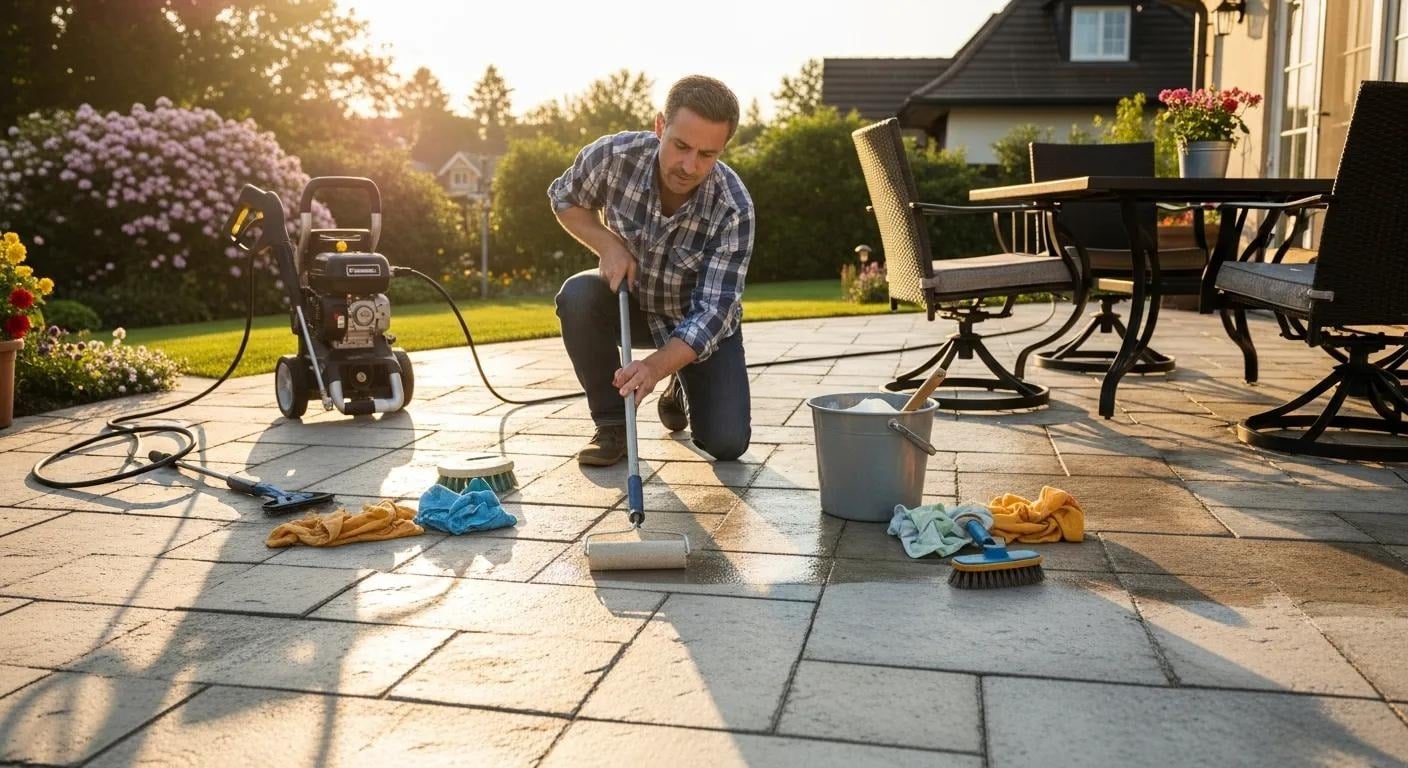
Regular maintenance extends service life and preserves property value. Appropriate care varies by material but follows consistent principles of sealing, cleaning, and joint inspection.
- Sealing: Pavers should be sealed every 2-3 years to protect against stains and wear.
- Cleaning: Regular cleaning helps prevent long-term staining and maintain the patio’s appearance.
- Joint Maintenance: Inspecting and maintaining joints prevents shifting and settling, which can lead to costly repairs.
Implementing scheduled maintenance reduces the likelihood of major repairs and preserves the patio’s aesthetic and functional value.
Recommended Maintenance Practices for Different Paver Materials
Different paver materials require tailored maintenance practices to ensure their longevity:
- Concrete Pavers: Should be sealed every 2-3 years and cleaned regularly to prevent staining.
- Brick Pavers: Require periodic inspections to ensure joints remain intact and free of weeds.
- Natural Stone Pavers: Benefit from sealing and gentle cleaning to preserve their natural beauty.
Applying material-specific maintenance protocols sustains appearance and structural performance over time.
What Are the Cost Implications of Regular Patio Maintenance?
Budgeting for maintenance is essential to protect the initial investment and limit long-term repair expenses.
- Maintenance Costs: Regular maintenance can add up over time, with sealing costs ranging from $ to $$ per square foot.
- Long-Term Savings: Investing in maintenance can save money over time by preventing costly repairs and extending the patio’s lifespan.
- Property Value: Proper upkeep enhances property value, making it a worthwhile investment for homeowners.
Understanding recurring maintenance costs supports more accurate lifecycle budgeting and demonstrates the value of preventive care.
What Are the Average Patio Installation Costs in Arizona and How Are They Calculated?
Average installation costs vary by material choice, site conditions, and project complexity; accurate estimates require an itemized assessment of these factors.
- Cost Range: Hardscaping costs typically vary depending on the materials selected, project complexity, and site conditions, with different options available to suit a range of budgets and design preferences.
- Labor Costs: Labor typically accounts for 40-50% of the total installation cost, making it a significant factor in budgeting.
- Permits and Fees: Homeowners should also account for any required permits, as they may be necessary depending on local regulations and project scope.
Accounting for materials, labor, site preparation, and permit fees yields a comprehensive cost estimate for planning and comparison.
Breaking Down Average Costs by Square Foot and Material Type
| Material Type | Cost Range (per square foot) | Installation Factors |
|---|---|---|
| Concrete Pavers | $ | Requires sealing every 2-3 years |
| Brick Pavers | $$ | Varies in performance under heat |
| Natural Stone Pavers | $$$ | Offers superior durability and aesthetics |
This cost breakdown clarifies the financial implications of each material choice and supports informed decision-making.
How Do Permits and Additional Fees Impact Total Pricing?
Permit requirements and auxiliary fees can materially increase the project total and should be included in early estimates.
- Permit Costs: Homeowners should anticipate permit costs, which may be around $ to $$, depending on local regulations.
- Site Preparation Fees: Site preparation can add 10-30% to the overall budget, depending on the installation site’s conditions.
- Inspection Fees: Additional inspection fees may also contribute to total costs, with minimum charges applying.
Early identification of permit and preparation costs reduces the risk of unforeseen budget increases during execution.
How Can Clients Request Accurate Quotes and Plan Their Patio Projects with Sunburst Landscaping?
Requesting accurate quotes and planning patio projects requires a clear project scope and documented site information. Sunburst Landscaping offers tailored solutions to meet client needs.
- Gathering Project Details: Clients should compile relevant information about their project, including dimensions and design preferences.
- Clear Communication: Clear communication with the landscaping team helps ensure accurate quotes and effective project planning.
- Scheduling Site Visits: A representative from Sunburst Landscaping will arrange a site visit to assess the property and discuss options.
Providing detailed information and arranging an on-site assessment enables precise proposals and reliable project schedules.
What Information Is Needed for a Detailed Quote?
To receive a detailed quote, clients should provide the following information:
- Property Type and Size: Specify whether the project is residential or commercial, and provide the dimensions of the area to be worked on.
- Design Features: Clearly outline any specific features or design elements desired for the patio.
- Access and Utilities: Provide information on site access and any existing utilities that may affect the project.
Supplying these details allows Sunburst Landscaping to prepare a tailored estimate that reflects actual project conditions and client priorities.
How Does Sunburst Landscaping Tailor Solutions to Client Needs?
Sunburst Landscaping is committed to delivering customized solutions tailored to each client’s objectives and site constraints. The consultation initiates this process.
- Client Consultations: Clients begin by gathering project details and discussing their vision with the landscaping team.
- Customization Options: Sunburst offers a range of materials and design features to suit individual preferences and site-specific challenges.
- Tailored Project Plans: The plans developed reflect the client’s vision while accounting for practical aspects of the installation.
This structured, client-focused approach ensures proposals align with performance requirements, aesthetic goals, and budget constraints.
What Recent Trends and Innovations Influence Patio Installation Costs in Arizona?
Recent trends and technological advances are influencing material selection and long-term operating costs for patios in Arizona.
- Sustainable Materials: The use of sustainable and drought-resistant materials is becoming more popular, helping reduce long-term operating costs.
- Smart Outdoor Living Features: Incorporating smart irrigation systems and other technologies can optimize water use and enhance outdoor living experiences.
- Cost Implications: While these innovations may increase initial costs, they often yield significant savings and enhanced functionality over time.
Awareness of these developments helps clients select options that deliver measurable operational benefits and align with their sustainability objectives.
Incorporating Sustainable and Drought-Resistant Materials
Sustainable materials are gaining adoption in Arizona patio projects for their reduced water demand and improved lifecycle performance.
- Native Plants: Utilizing native plants requires less water and supports local biodiversity.
- Permeable Paving: This type of paving helps manage stormwater and promotes groundwater recharge, making it an environmentally friendly choice.
- Long-Term Savings: While the initial investment may be higher, the long-term savings from reduced water use and maintenance can offset these costs.
Research demonstrates that innovative materials can materially improve both performance and cost efficiency in sustainable paver options.
Sustainable Pavers: Fly Ash for Cost-Efficient & Strong Patios
Results indicate that incorporating 20% fly ash yields an optimal balance between mechanical performance, embodied carbon and energy, and cost efficiency, with a 12% increase in compressive strength, 17.39%, 17.21% decrease in embodied carbon and energy emissions, and up to 15% reduction in material costs compared to the control mix. Sustainable Concrete Pavers Incorporating Thar Coal Fly Ash: “Strength Enhancement, Ecological Improvement, and Cost Optimization, ” M. Ali, 2025
These sustainable approaches can reduce environmental impact while offering quantifiable improvements in performance and material cost.
Smart Outdoor Living Features and Their Cost Effects
Smart outdoor systems are increasingly specified to improve resource efficiency and operational savings.
- Smart Irrigation Systems: These systems optimize water use, leading to healthier landscapes and lower water bills.
- Soil Moisture Sensors: Providing real-time data, these sensors help homeowners manage their irrigation more effectively.
- Initial Investment: While the upfront cost of smart features may be higher, the long-term savings from reduced water use can be significant.
Integrating smart controls and sensors supports measurable reductions in water consumption and maintenance effort.
Frequently Asked Questions
What are the benefits of using permeable paving in patio installations?
Permeable paving provides effective stormwater management by allowing runoff to infiltrate, thereby reducing surface runoff and supporting groundwater recharge. It can mitigate erosion and flooding risk and, when combined with appropriate planting, supports local biodiversity. Although initial costs may be higher, the resulting reductions in water use and maintenance often justify the investment over time.
How can homeowners choose the right paver material for their specific needs?
Selecting the appropriate paver material requires evaluation of climate exposure, aesthetic objectives, and maintenance capacity. Consider durable options such as travertine for high-temperature conditions, and assess trade-offs among appearance, expected lifespan, and maintenance frequency. Professional consultation provides tailored recommendations based on site conditions and performance requirements.
What are the common mistakes to avoid during patio installation?
Common installation errors include inadequate site preparation, failure to address drainage, and improper joint spacing. Such deficiencies can cause uneven surfaces, water damage, and premature movement or cracking. Engaging experienced professionals and following established installation standards reduces the risk of costly rework.
How do seasonal changes in Arizona affect patio maintenance?
Seasonal variation affects maintenance priorities. During hot months, regular cleaning and sealing limit UV and staining damage. Cooler periods require routine inspections for settling or movement. Monsoon season necessitates examination of drainage and pooling. Adapting maintenance frequency to seasonal conditions preserves performance and appearance.
What are the advantages of hiring a professional for patio installation?
Professional contractors deliver expertise in site assessment, material selection, and installation technique. They manage site preparation, anticipate challenges, and apply appropriate construction standards. Established supplier relationships can also contribute to material cost efficiency. Overall, professional delivery improves durability, reduces risk, and enhances final value.
What should homeowners consider when planning for patio lighting?
Effective patio lighting planning balances functionality and aesthetic objectives. Define the primary purpose—safety, ambiance, or feature highlighting—then select appropriate fixtures such as LED or solar to optimize energy use. Consider layout to ensure uniform illumination and evaluate dimmers or smart controls for flexibility.
How can homeowners incorporate sustainable practices into their patio projects?
Homeowners can adopt sustainable practices by choosing recycled or permeable materials, specifying native plantings, and installing smart irrigation to minimize water use. Energy-efficient lighting and low-impact maintenance regimes further reduce operating costs and environmental footprint while maintaining design quality.
Conclusion
A clear understanding of materials, labor, site preparation, and maintenance enables homeowners to make informed decisions that protect investment and enhance outdoor spaces. Considering lifecycle costs and performance metrics supports the selection of durable, value-adding solutions. For personalized guidance and project-specific proposals, contact the Sunburst Landscaping team to discuss tailored options and next steps.