
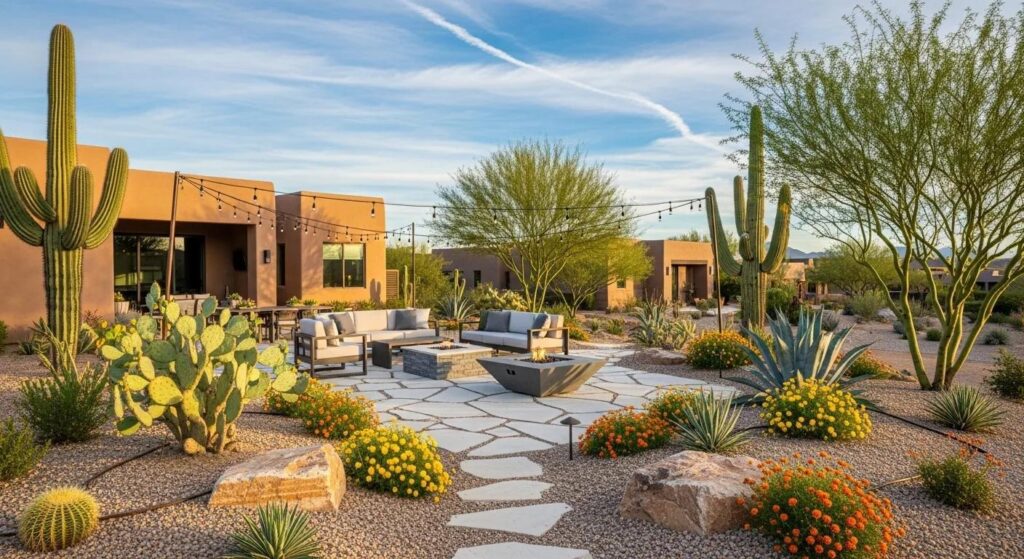
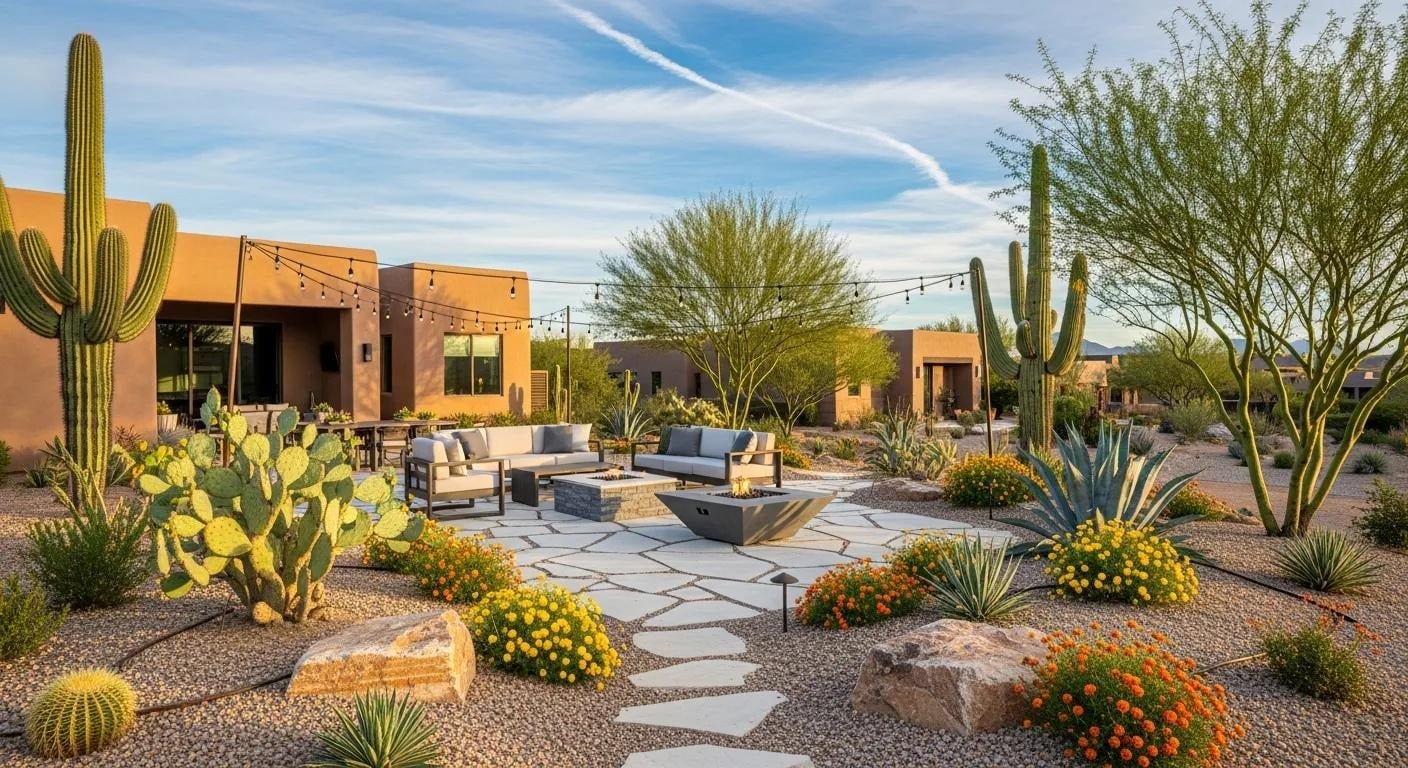
Professional residential landscaping can materially increase a property’s value in Arizona’s distinctive climate. Homeowners seeking improved aesthetics and greater functionality benefit from strategic landscape design. This article explains how professional landscaping affects market value, the mechanisms involved, and the typical return on investment (ROI) homeowners may expect. A clear understanding of these benefits enables informed, value-focused decisions.
This guide presents expert perspectives on landscaping’s influence on property value, offers an ROI analysis of common investments, and recommends specific strategies for Arizona properties. It also answers frequent financial questions and outlines selection criteria for climate-appropriate designs. The aim is to help homeowners make decisions that balance upfront cost, ongoing maintenance, and long-term resale value.
Expert Insights
Landscaping encompasses more than plant selection and turf care; it integrates design, hardscape, and sustainable systems that influence a property’s overall appeal. Improved curb appeal remains a primary driver of value: a coordinated landscape delivers a strong first impression that can materially affect buyer perception. Sustainable choices, notably drought-tolerant species, reduce water use and attract environmentally conscious purchasers.
Functional outdoor spaces are a significant value driver. Buyers increasingly prioritize multipurpose exterior areas for entertaining and relaxation. Incorporating elements such as patios, outdoor kitchens, and fire pits converts yards into usable living space, improving both aesthetics and utility and thereby increasing buyer appeal. Thoughtful lighting, defined circulation paths, and comfortable focal points help buyers imagine living in the space, shortening showing times and strengthening offers.
Design professionals also consider site-specific constraints such as microclimates, existing vegetation, grading, and utility locations. The most effective projects preserve healthy mature trees where possible, enhance privacy with layered plantings, and use low-maintenance materials that age gracefully. These choices both lower lifecycle costs and create durable appeal that translates into measurable market advantages.
Return on Investment (ROI) Analysis
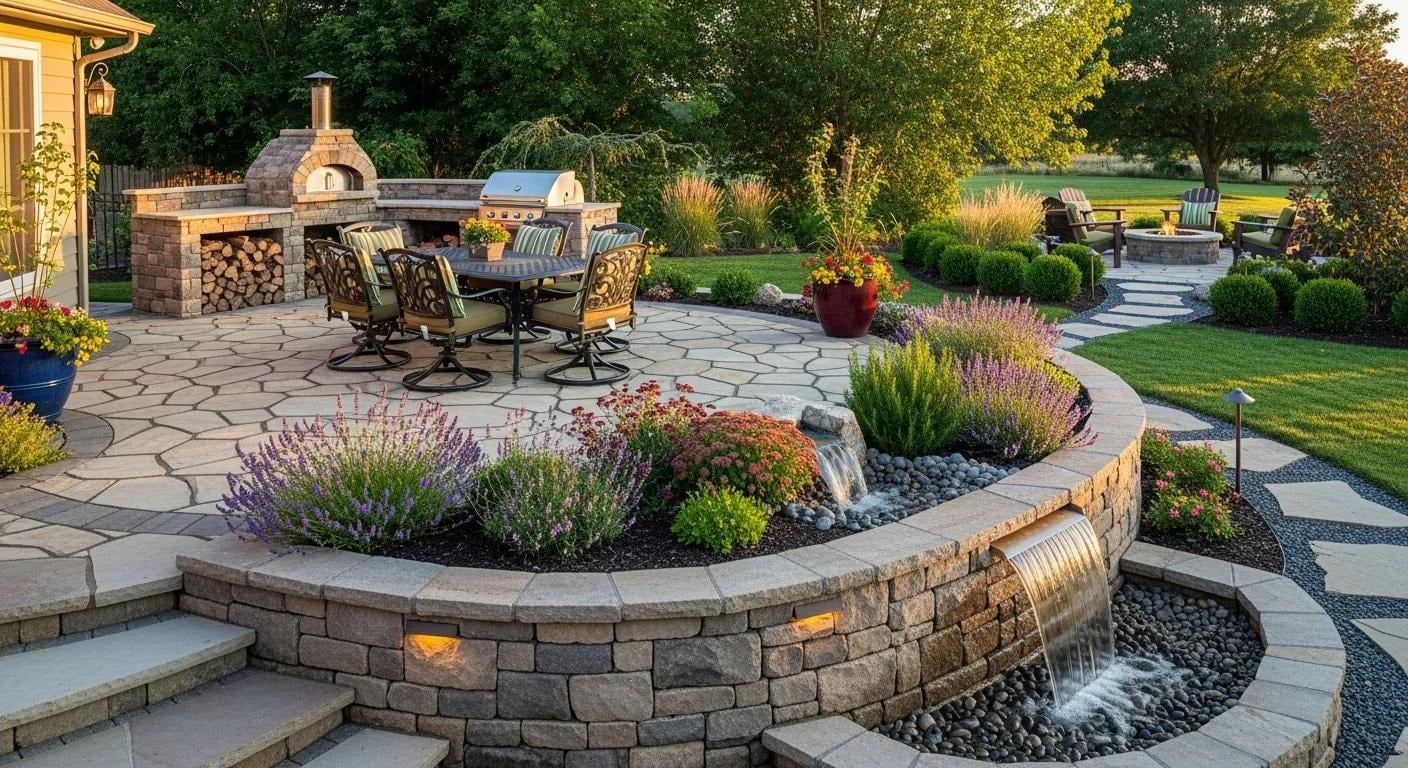
Evaluating the ROI of landscaping is essential for homeowners planning improvements. Research shows professional landscaping can deliver returns up to 100% on investment, making it one of the most cost-effective home upgrades. Financial advantages extend beyond resale value: well-designed landscapes yield long-term savings through reduced water consumption and lower maintenance costs.
ROI depends on project scope, material quality, and local market expectations. For example, modest investments that improve curb appeal or create a simple, low-water entrance garden can be recovered quickly. At the last time, larger hardscape projects that expand living space tend to add higher absolute value but may require longer recoupment periods. Assessing local comparable sales and consulting with a licensed appraiser or experienced agent helps set realistic expectations for a specific neighborhood.
The following table summarises common landscaping investments and their expected returns, illustrating potential financial outcomes.
| Investment Type | Estimated Cost | Expected ROI |
|---|---|---|
| Basic Lawn Installation | $ | 100% |
| Full Landscape Design | $$ | 100-150% |
| Hardscape Features (Patios) | $$$ | 100-125% |
| Drought-Tolerant Planting | $$$$ | 100-200% |
This comparison demonstrates the potential financial upside of professional landscaping. Homeowners can achieve meaningful returns by selecting enhancements that match their property’s objectives and constraints. When planning, break larger projects into phases, prioritizing curb appeal and functional improvements first, and reserve specialty features for later phases to spread costs and capture incremental value.
Specific Strategies for Enhancing Property Value
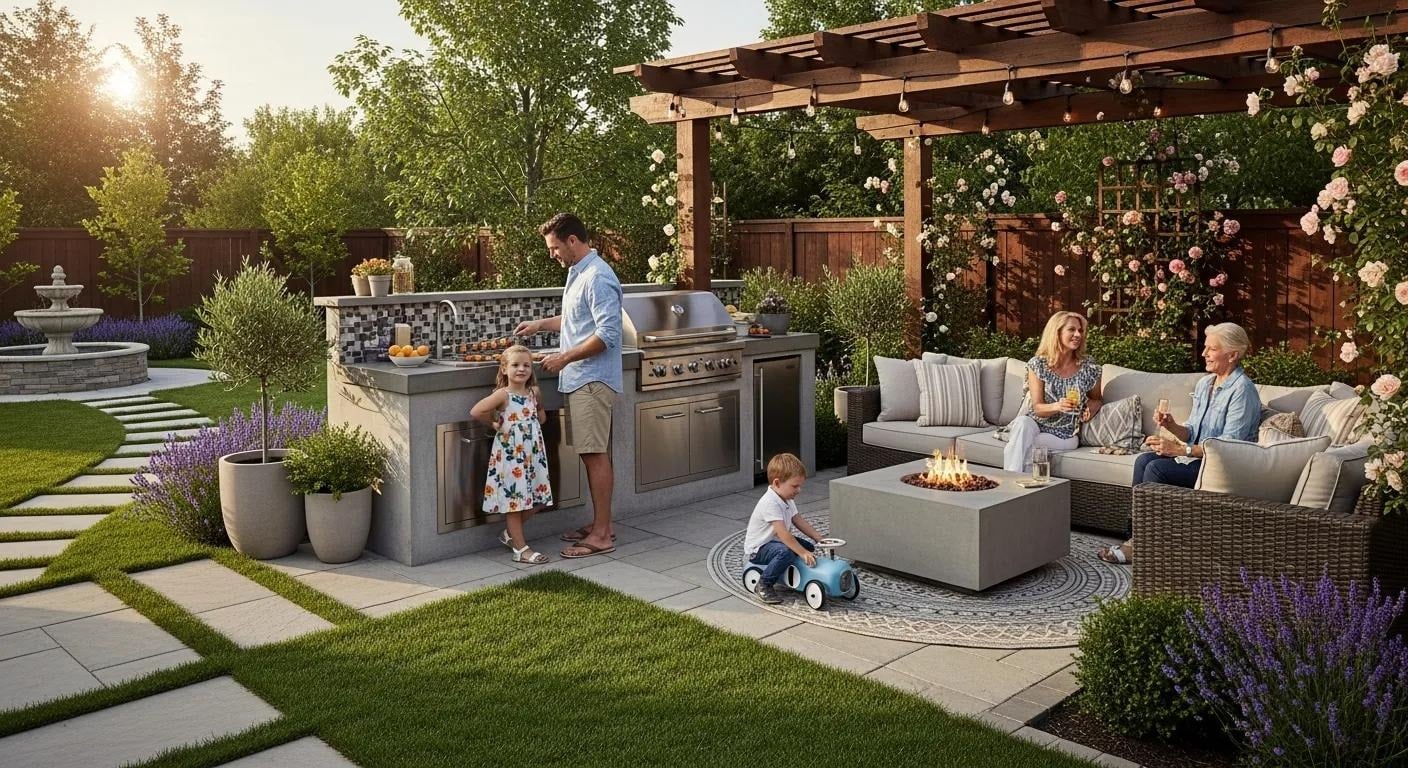
To optimize property value, consider targeted strategies: implement smart irrigation, specify drought-tolerant plantings, and improve outdoor living areas to increase usability and appeal. Combining these approaches creates a resilient yard that is attractive to a wide range of buyers and reduces the likelihood that deferred maintenance will harm curb appeal.
- Invest in Smart Irrigation: Smart irrigation systems optimize water usage, ensuring that plants receive the right amount of water without waste. This not only conserves water but also reduces utility bills, making it an attractive feature for potential buyers. Modern controllers, soil moisture sensors, and pressure-regulated drip systems reduce unnecessary runtimes and protect new plantings during establishment. For established landscapes, a professionally calibrated system prevents overwatering and reduces plant stress while demonstrating responsible stewardship to prospective buyers.
- Choose Drought-Tolerant Plants: Arizona’s climate requires plants that can thrive in arid conditions. Drought-tolerant landscaping not only lowers water consumption but also requires less maintenance, appealing to environmentally conscious buyers. Select a mix of seasonal bloomers and evergreen structural plants to provide year-round interest; combine groundcovers, shrubs, and a few accent trees for scale. Group plants with similar water needs together (hydrozoning) to simplify irrigation programming and minimize waste.
- Enhance Outdoor Living Spaces: Creating functional outdoor areas can significantly increase a property’s appeal. Features such as outdoor kitchens, fire pits, and comfortable seating areas can transform a yard into a desirable living space, enhancing both enjoyment and property value. Consider durable materials that suit Arizona’s heat—stone, concrete pavers, and high-quality composite decking—and include shaded areas with pergolas, awnings, or mature canopy trees to keep spaces usable during the warmer months.
Research supports that converting to water-efficient landscapes, including xeriscaping, can positively affect a home’s market value.
Xeriscape Conversions & Property Value in Desert Southwest
This thesis examined whether converting residential landscapes from grass lawn to xeriscape affects a home’s property value. The analysis indicates that xeriscape conversions can have a potentially positive impact on sale price.
Effects of residential xeriscape conversions on property values: A baseline case study, 2004
When applied appropriately, these strategies improve a property’s marketability and can increase its overall value. Practical implementation includes preparing a site plan, prioritizing easy wins that improve first impressions, and scheduling more complex installations during favorable weather windows to protect plant establishment.
How Does Landscaping Enhance Home Value in Arizona?
In Arizona, landscaping enhances value by improving curb appeal, creating functional outdoor living spaces, and integrating sustainable practices. Well-maintained, climate-appropriate landscapes attract buyers, shorten marketing time, and support higher sale prices. Design choices that balance aesthetics and efficiency enhance a home’s market competitiveness.
Landscaping can also influence perceived upkeep: an orderly, healthy landscape signals that the home has been cared for, while a neglected yard suggests deferred maintenance inside the house. Buyers often make rapid judgments based on exterior condition, so investments that maintain a tidy, water-wise appearance pay dividends in buyer confidence and offer strength.
What Are the Measurable Financial Benefits of Professional Landscaping?
Measurable benefits include higher resale value, lower maintenance expenditures, and reduced water bills. Studies report that well-executed landscaping can produce returns of 100–150%. Sustainable features also deliver ongoing savings, reinforcing the financial case for professional design and installation.
Additional measurable outcomes include faster days on market and more competitive offers. When appraisers or agents document functional outdoor square footage or note high-quality hardscape improvements, these elements often appear in listing descriptions and comparables, which helps justify higher asking prices. Tracking utility bills before and after upgrades gives homeowners concrete evidence of operating savings that appeal to informed buyers.
Which Arizona-Specific Landscaping Designs Maximize Property Value?
Designs that maximize value in Arizona feature xeriscaping with drought‑resistant species and well-integrated hardscape elements that expand usable outdoor space. These approaches offer low-maintenance, environmentally responsible options that appeal to buyers. Incorporating native plants and efficient systems further increases appeal and long-term value.
Include a balance of live material and hard surfaces so the yard reads as both beautiful and functional. For instance, a compact flagstone patio with planted borders and a drip-irrigated hedge can create privacy without requiring expansive turf. Use decomposed granite paths and permeable pavers in driveways to reduce runoff and visually tie the landscape to regional character.
How Do Drought-Tolerant Plants Contribute to Sustainable Landscaping?
Drought-tolerant plants reduce irrigation needs and lower maintenance requirements. Well-adapted species perform reliably with minimal watering, reducing operating costs and supporting sustainability. Such plantings create attractive, cost-effective landscapes that appeal to eco-conscious purchasers.
Beyond water savings, drought-tolerant species often require less fertilizer and fewer pesticides, reducing chemical inputs and lowering maintenance time. Choosing a palette of plants with staggered bloom periods and varied textures helps ensure year-round interest, keeping the landscape compelling through the seasons and increasing perceived value.
What Role Does Hardscape Design Play in Increasing Curb Appeal?
Hardscape elements add structure and utility to outdoor areas. Patios, walkways, and retaining walls enhance visual order while improving functionality. A cohesive hardscape design creates inviting exterior spaces that increase buyer interest and contribute to higher property value.
Well-designed hardscape also extends living space into the yard, effectively adding usable square footage in the eyes of buyers. Durable finishes, integrated lighting, and careful grading for drainage improve usability and reduce future maintenance costs. Thoughtful details like consistent material palettes, clean expansion joints, and slip-resistant surfaces increase buyer confidence in long-term performance.
How Does Professional Landscaping Service Impact Long-Term Property Value in Arizona?
Professional services preserve and enhance landscape condition over time. Regular professional maintenance protects the initial investment, prevents deterioration, and sustains curb appeal. Properties managed by qualified landscapers are more likely to retain and grow in value.
Professional teams also can provide documentation of maintenance schedules, service records, and irrigation audits—useful assets during a sale that demonstrate continued care. Ongoing relationships with landscapers create continuity, preserving plant health and enabling proactive rather than reactive replacement decisions.
Why Is Regular Maintenance Essential for Preserving Landscaping ROI?
Ongoing maintenance keeps plants healthy and landscapes attractive, which preserves the investment’s value. Neglected landscapes deteriorate quickly and can reduce property appeal. Scheduled maintenance safeguards ROI and ensures the landscape continues to add value.
Maintenance activities that protect ROI include seasonal pruning, timely irrigation checks, mulching, soil amendment where needed, and pest and disease monitoring. A maintenance plan tied to the landscape’s maturity stage—establishment, growth, and steady-state—optimizes costs and prevents common failures that would otherwise depress resale value.
How Do Irrigation Systems Improve Landscape Longevity and Value?
Irrigation systems support landscape longevity through precise water management. Smart controllers adjust schedules based on weather and seasonal needs, promoting plant health while minimizing waste. Efficient irrigation reduces operating costs and enhances buyer perception.
System design choices such as pressure-regulated drip for planting beds, micro-spray for young shrubs, and rotary nozzles for larger turf areas improve uniformity and reduce runoff. Regular audits, seasonal recalibration, and leak detection prevent water loss and demonstrate prudent management—attributes attractive to buyers in water-conscious markets.
What Are the Cost Considerations and Value Analysis for Residential Landscaping in Arizona?
Cost considerations include initial installation, ongoing maintenance, and projected savings from water-efficient measures. Homeowners should conduct a value analysis to align the landscaping scope with the budget and property goals. Understanding these financial factors enables prudent investment decisions.
Consider soft costs such as design fees, permitting (where applicable), and staging or temporary irrigation during establishment. Factor in lifecycle costs for materials and plant replacements. A phased plan often reduces financial strain while delivering early, tangible improvements that enhance curb appeal and buyer interest.
How Do Landscaping Costs Compare to Property Value Increases?
Landscaping costs vary by project scope, but potential value increases frequently exceed initial expenditures. Typical returns fall in the 100–150% range for many improvements. Selecting features aligned with the property’s needs helps maximize return on investment.
To evaluate whether a project makes sense, estimate the net additional value it could bring at sale and compare that to the combined installation and maintenance cost over a reasonable ownership horizon. For many homeowners, projects that reduce ongoing costs or add clear functional spaces provide the most consistent positive returns.
What Is the Typical Investment Range for Professional Landscaping Services?
Project investment varies based on the overall scale and complexity of the work. Simpler projects require less planning and execution, while more comprehensive designs with custom features involve greater detail and effort. Homeowners should align their expectations and priorities with the scope of the project when planning landscaping improvements.
Smaller investments for curb enhancement, such as adding a few key plants, fresh mulch, and improved lighting, are relatively inexpensive and can have an immediate visual impact. Larger-scale investments—terracing a slope, installing an outdoor kitchen, or rebuilding a driveway with permeable pavers—require more planning and higher budgets but substantially change how buyers use and perceive the property.
Which Case Studies Demonstrate the Impact of Professional Landscaping on Arizona Property Values?
Multiple case studies document the positive impacts of professional landscaping. For example, properties undergoing full landscape renovations recorded average value increases of approximately 15%. These cases demonstrate the potential for substantial returns when projects are executed professionally.
Case studies typically show that targeted investments that correct curb deficiencies and add usable outdoor space produce the most reliable gains. When possible, review local comparables where landscaping upgrades were noted in listing descriptions; this practical research helps set realistic expectations for your own project.
How Can Homeowners Request Professional Landscaping Services to Increase Property Value?
Homeowners should research local firms, such as Sunburst Landscaping, which specializes in residential and commercial landscaping tailored to Arizona’s climate. Consulting with experienced professionals enables the development of a plan that aligns with property objectives and maximizes value.
To explore options and request a consultation, homeowners can request a quote from qualified landscaping professionals. When contacting firms, prepare a brief site description, photographs, an indication of priorities (for example, curb appeal, reduced water use, or outdoor living), and a target budget to get more accurate proposals.
Frequently Asked Questions
What are the best plants for landscaping in Arizona’s climate?
Recommended species include native and drought‑tolerant plants such as agave, desert marigold, and palo verde. These plants are adapted to minimal irrigation and high temperatures. Using native species reduces water demand, supports local wildlife, and contributes to a resilient landscape.
Balance plant choices with texture and seasonal color: add small flowering shrubs and groundcovers for seasonal interest, and include a few structural trees for scale and shade. Where appropriate, pair hardy succulents with low-water perennials to create attractive, layered compositions that require minimal supplemental irrigation once established.
How can landscaping improve energy efficiency in a home?
Landscaping improves energy efficiency by providing strategic shade and wind protection. Deciduous trees positioned on the south and west elevations block summer sun while permitting winter solar gain after leaf drop. Proper placement of trees and shrubs can lower cooling loads in summer and reduce heating needs in winter.
Other measures include using shade structures over west-facing windows, planting evergreen windbreaks on cold-exposed sides, and specifying reflective or light-colored hardscape materials around the home to reduce local heat absorption. These strategies together reduce HVAC demand and contribute to lower utility spending.
What are the maintenance requirements for a drought-tolerant landscape?
Drought‑tolerant landscapes require less frequent upkeep but still need care. Typical tasks include targeted irrigation during establishment, periodic pruning, pest monitoring, and mulching to conserve soil moisture. Regular inspections ensure plant health and prolong landscape performance.
Establishment-year care is especially important: weekly or biweekly checks to confirm irrigation performance, removing competing weeds, and spot-replacing failed specimens help maintain design integrity. After plants are established, maintenance typically shifts to less frequent pruning, seasonal mulch refresh, and quarterly system checks.
How does landscaping affect home insurance rates?
Landscaping can affect insurance rates by altering risk exposure. Well-maintained landscapes reduce hazards such as weak branches or poor drainage, which can lower premiums. Conversely, neglected landscapes may increase risk. Fire-resistant plantings and appropriate hardscaping can enhance safety and may qualify for insurer discounts.
To minimize risk, select low-flammability plant species near structures, maintain defensible space where local codes require it, and ensure grading and drainage direct water away from foundations. These measures reduce the likelihood of claimable events and support a safer, more insurable property profile.
What are the benefits of hiring a professional landscaper versus DIY landscaping?
Professional landscapers provide expertise in design, plant selection, and installation, ensuring functional, code-compliant results. They offer access to quality materials and equipment and can recommend sustainable practices. Hiring professionals often yields better outcomes and a higher return on investment compared with DIY approaches.
Professionals also bring project management skills: they coordinate permits, plan phasing to protect existing plants, and advise on warranty options for hardscape and irrigation. For homeowners with limited time or without construction experience, using a licensed team reduces risk and typically results in a more durable, sale-ready landscape.
What are the seasonal considerations for landscaping in Arizona?
Seasonal planning should account for extreme heat and variable rainfall. Fall and early spring are preferred planting windows when temperatures are moderate. In summer, ensure sufficient irrigation and protect new plants from heat stress. Winter considerations include frost protection and, where necessary, the selection of frost-tolerant species.
Planting in optimal windows increases survival rates and reduces the need for supplemental irrigation. Schedule hardscape installation during milder months to avoid material issues from extreme heat, and plan any major grading or drainage work before the monsoon season to avoid erosion-related setbacks.
How can landscaping increase privacy in a residential area?
Privacy is achieved through strategic plantings and hardscape solutions. Tall shrubs, trees, and privacy screens form effective natural barriers. Trellises with climbers or decorative fencing provide additional visual separation. A considered approach creates secluded outdoor areas without compromising design quality.
Use evergreen species or layered plantings to create year-round screening, and combine living screens with low walls or pergolas to add both privacy and architectural interest. Placement matters: staggered planting rows provide better long-term coverage and reduce the need for dense, single-species hedges that can be high-maintenance.
Conclusion
Professional residential landscaping in Arizona delivers measurable benefits: enhanced curb appeal, increased property value, and sustainable features that appeal to eco-conscious buyers. By evaluating financial returns and selecting targeted improvements, homeowners can make informed investments. Consult local experts to develop tailored solutions that maximize both aesthetic and financial outcomes.
Ultimately, landscape investments that improve first impressions, expand functional outdoor living, and reduce ongoing operating costs tend to provide the most consistent benefits. With careful planning, phased implementation, and basic documentation of maintenance and water savings, homeowners can both enjoy improved outdoor environments and realize stronger financial outcomes when they sell.