
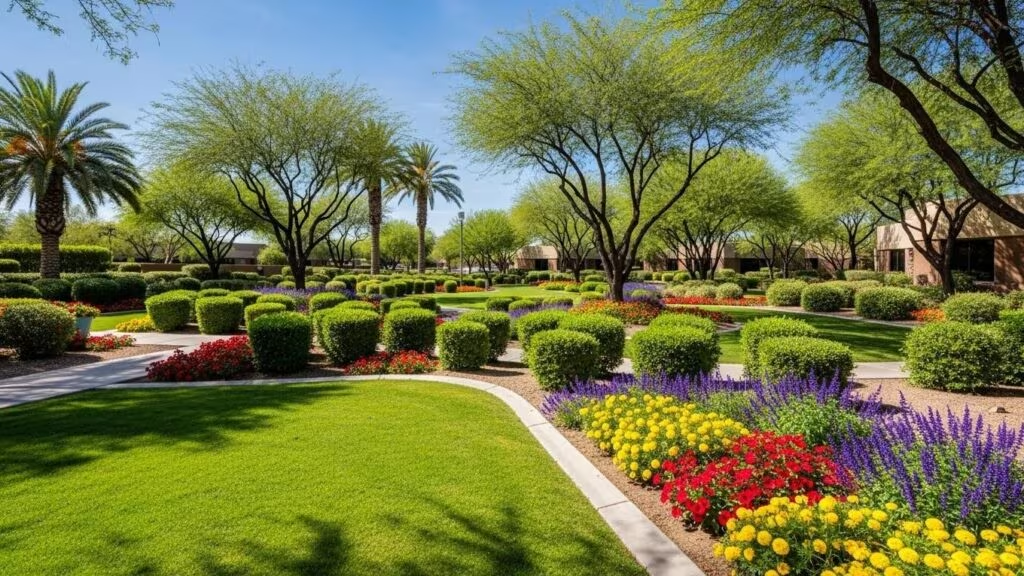
By Marketing Team, Sunburst Landscaping
Neglecting commercial landscaping maintenance produces measurable long-term costs that affect both a property’s financial performance and market appeal. In Peoria, AZ, where climatic stressors are significant, inadequate care accelerates deterioration. This article examines the financial consequences, property value effects, and environmental impacts of deferred landscaping maintenance. It explains how regular upkeep reduces repair expenditures, preserves aesthetics, and supports tenant satisfaction and retention.By applying sustainable practices and maintaining a considered, thoughtful design, businesses create welcoming environments that attract clients and support employee well-being. Throughout, the focus is practical: owners and facility managers will find clear actions to reduce risk, control operating budgets, and protect asset value.
Financial Implications
The financial consequences of neglected commercial landscaping compound over time. Deferred maintenance leads to escalating repair expenses, from plant loss and hardscape degradation to irrigation system failures that necessitate emergency work. Neglect can also drive higher operating costs when vegetation interferes with drainage and circulation, reducing system efficiency and increasing utility expenditures. These costs are often less visible than an immediate repair bill but accumulate as recurring premium expenses—such as higher water use, more frequent pest treatments, and accelerated hardscape replacement cycles—that erode net operating income and reduce the capital available for other building systems.
How Does Neglect Increase Repair Costs Over Time?
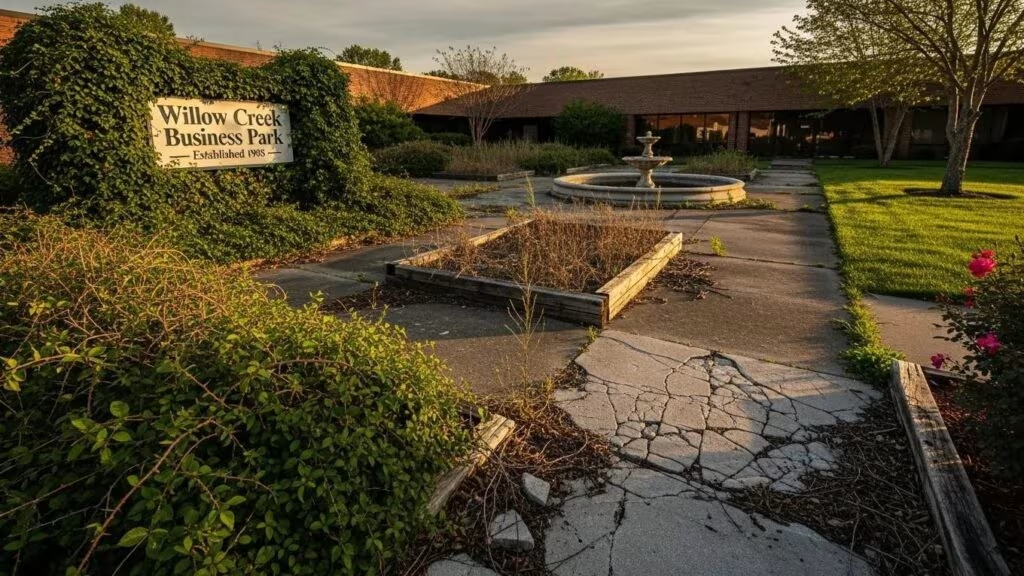
Deferred landscaping care raises the frequency and scale of repairs. As plant material and hardscape elements decline, emergency interventions become more common. For example, a lack of pruning can allow tree growth to damage infrastructure, leading to costly removal or repair costs. Restorative projects to restore landscape health typically require more labor and materials than routine maintenance. In practice, small neglected issues — a cracked paver, an irrigation leak, compacted soil — often cascade into larger projects because the work becomes more invasive and requires specialist trades. Scheduling modest, recurring work reduces the likelihood of these disruptive, high-cost repairs and keeps budgets predictable.
In What Ways Does Landscaping Neglect Reduce Property Value?
Neglected landscaping directly reduces property value through diminished curb appeal and marketability. Properties with poor landscape maintenance deter prospective tenants and buyers. Research indicates that well-maintained landscaping can increase property value by up to 15%. Conversely, visible deferred repairs and deterioration further depress perceived value and demand. In addition to first impressions, long-term neglect signals to the market that other building systems may have been deferred, increasing perceived risk and potentially reducing offers or rental rates. Maintaining consistent presentation preserves competitive positioning and supports stronger leasing negotiations.
Research further supports the significant financial benefits of well-maintained commercial landscapes.
Influence of Landscaping on Commercial Real Estate Value & Rental Rates
The environmental and economic benefits of trees have been studied in relation to a variety of interests, including their influence on real estate values. This study investigates the effect of trees and landscaping on office rental rates by comparing 85 office buildings comprising 270 unique leases in the Cleveland, Ohio, U.S., metropolitan area.
The influence of trees and landscaping on rental rates at office buildings, RJ Laverne, 2003
Impact on Property Value
The impact of neglected landscaping extends beyond short-term expenses to long-term asset performance. A well-maintained landscape strengthens curb appeal, supports higher occupancy rates, and improves marketability. By contrast, neglected grounds create leasing challenges and can prolong vacancy periods. Regular maintenance preserves value and supports tenant retention. Owners who prioritize landscape care often see improved lease renewals and reduced marketing costs, as visually appealing sites attract and retain higher-quality tenants with lower turnover.
Environmental Consequences
Neglecting landscaping maintenance also produces environmental harm. Poorly maintained sites can reduce biodiversity by displacing native plants and wildlife habitats. Inadequate water management increases resource consumption, as stressed or overgrown vegetation often requires greater irrigation. These conditions raise operational costs and undermine sustainability objectives. Furthermore, unmanaged runoff from compacted or bare soils increases erosion and sediment loading to storm systems, which can create downstream compliance concerns and require additional corrective measures.
How Do Commercial Landscaping Maintenance Contracts Provide Cost Savings?
Commercial maintenance contracts deliver measurable cost savings by preventing emergency repairs and limiting restorative interventions. Contracts that include preventive care identify issues early and address them before escalation. Professional maintenance teams also implement water-saving practices and efficient irrigation strategies that reduce consumption and operating costs. Well-structured contracts can include scheduled inspections, seasonal adjustments, and priority emergency response, which together reduce unexpected expenditures and support long-term budgeting accuracy.
Further studies emphasize the importance of strategic planning for achieving cost-effective, sustainable landscape management.
Cost-Efficiency Strategies for Sustainable Landscape Maintenance
The upkeep of urban public parks involves tedious maintenance to ensure their functionality and purpose, requiring immense effort. This mixed-methodology research examines the cost-efficiency and strategies to mitigate this issue. The study’s findings suggest six components that link effective maintenance with cost-efficiency.
Criteria for Sustainable Landscape Maintenance: Addressing Cost Implication, Z Ayob, 2022
What Benefits Do Maintenance Contracts Offer to Commercial Property Owners?
Maintenance contracts protect asset value and improve curb appeal through consistent, scheduled care. Regular services sustain plant health and site presentation, which supports tenant satisfaction and retention. Contracts also reduce safety and liability exposure by preventing hazards associated with neglected grounds. In addition to routine tasks, many contracts define measurable performance standards and reporting, giving owners clear visibility into service delivery and outcomes without having to manage day-to-day operations directly.
How Do Tailored Contracts Address Specific Property Needs?
Tailored maintenance agreements align service levels with a property’s unique requirements. Properties with extensive hardscape, for example, require different routines than those dominated by planting beds. A local provider who understands climate and site-specific conditions can optimize schedules and resource allocation for cost-effective outcomes. Customized contracts can also specify seasonal treatments, water budgets, and response times, ensuring that services are proportionate to risk and value rather than an unnecessary standardized package.
What Are the Best Practices for Preventive Commercial Landscaping Maintenance?
Preventive maintenance preserves landscape health and appearance through consistent scheduling, seasonal adjustments, and controlled irrigation practices. Adopting these best practices reduces the likelihood of major repairs and maintains the site’s functional and aesthetic performance. Best practices also include documented inspection checklists, integrated pest management approaches that prioritize non-chemical controls, and soil management programs that improve water retention and plant resilience over time.
Which Maintenance Schedules Optimize Property Health and Appearance?
Optimal schedules combine routine inspections with season-specific tasks. Spring activities may include pruning and fertilization; autumn work often focuses on debris removal and plant preparation. A structured schedule tailored to the site maintains plant vigor and enhances visual appeal. Consistent timing also allows teams to plan resources efficiently and to sequence work so that irrigation, turf care, and planting operations complement each other rather than conflict.
How Does Regular Upkeep Prevent Costly Repairs?
Regular upkeep enables early identification of issues and prevents escalation. Routine pruning, surface maintenance, and pest monitoring limit the spread and severity of problems. Early intervention for pests or disease avoids large-scale replacements and reduces long-term costs. In practice, small, inexpensive corrective actions—soil amendments, selective pruning, targeted irrigation repairs—often eliminate the need for later heavy restoration and preserve mature plant assets that would otherwise require replacement.
What Are the Typical Costs Associated with Commercial Landscaping Maintenance in Peoria, AZ?
Typical maintenance costs in Peoria vary by service frequency, contract length, and site-specific requirements. Understanding these variables allows property owners to select plans that balance cost and service level while meeting operational objectives. Cost drivers commonly include irrigation complexity, the extent of planted areas, slope or access constraints, and seasonal water demands; assessing these early in the procurement process helps match service scope to realistic budgets.
How Do Service Frequency and Contract Duration Affect Pricing?
The frequency of visits and the contract duration materially influence pricing. Properties requiring frequent service incur higher recurring costs, while longer-term agreements commonly provide volume discounts. Evaluating landscape needs enables the selection of a plan that balances expenditure with required care. When negotiating contracts, owners can often include performance reviews and scope adjustments at agreed intervals to ensure services remain aligned with observed site conditions and budget realities.
What Factors Influence the Cost to Repair Neglected Landscaping?
Repair costs for neglected sites depend on property size, access limitations, and design complexity. Larger areas require more labor and materials, and intricate designs increase the effort required for restoration. Anticipating these factors helps owners budget for potential remediation. Other considerations include replacement plant maturity (bigger plants cost more to replace), irrigation redesign needs, and any required permitting or utility coordination, which can add time and expense to restoration projects.
How Have Local Commercial Properties Benefited from Professional Landscaping Maintenance?
Local commercial properties in Peoria report measurable benefits after implementing professional maintenance. Regular upkeep has delivered long-term savings, improved presentation, and higher tenant satisfaction. The following sections summarise relevant case examples and client feedback. Owners often report that the predictable appearance and documented maintenance history simplify leasing conversations and support higher renewal rates.
What Case Studies Demonstrate Long-Term Savings in Peoria?
Local case studies document quantifiable savings. For example, one commercial site that adopted a regular maintenance schedule reported a 25% reduction in overall landscaping costs over three years. Fewer emergency repairs and improved landscape resilience drove those savings. Other examples show reduced water consumption after irrigation optimization and lower seasonal replacement costs when proactive planting and soil care were implemented.
How Do Client Testimonials Reflect Maintenance Contract Advantages?
Client testimonials commonly highlight improved aesthetics and higher tenant satisfaction following the contract’s implementation. Many property owners attribute improved curb appeal and increased occupancy to consistent, professional maintenance. Testimonials also frequently note a reduction in administrative time spent overseeing landscape vendors and an improved ability to forecast maintenance budgets across fiscal years.
How Can Commercial Property Owners Choose the Right Landscaping Service Contract?
Selecting an appropriate service contract requires evaluation of provider qualifications, service scope, and pricing models. A well-structured contract aligns services with property goals and includes mechanisms for performance review and adjustments. Owners should request sample schedules, references from similar properties, and clear reporting formats so they can compare proposals based on deliverables rather than only price.
What Criteria Should Be Considered When Selecting a Service Provider?
When evaluating providers, consider experience, certifications, service range, and pricing transparency. A reputable contractor will demonstrate a track record of reliable delivery and offer tailored solutions that meet the site’s operational and aesthetic objectives. Additional useful criteria include staff training, safety programs, insurance coverage, and the ability to provide documented sustainability practices such as water budgets or native-planting strategies.
How Does Local Expertise in Peoria Enhance Service Quality?
Local expertise improves service quality by leveraging knowledge of regional climate, soil conditions, and plant performance. Providers familiar with Peoria’s environment can anticipate challenges and implement targeted maintenance strategies that reduce costs and improve landscape outcomes. Local crews also tend to have established supplier relationships that can speed material procurement and reduce lead times for replacement plants or irrigation parts.
What Are the Consequences of Ignoring Commercial Landscaping Maintenance?
Ignoring landscaping maintenance creates financial, aesthetic, and legal risks. Deferred care can accelerate asset depreciation, increase liability exposure, and damage tenant relations. The following sections explain these consequences in greater detail. Over time, deferred maintenance can require capital-level interventions that compete with building system budgets and complicate asset management planning.
How Does Neglect Affect Curb Appeal and Tenant Satisfaction?
Neglect degrades curb appeal, which often forms a prospective tenant’s first impression. Poorly maintained grounds reduce tenant satisfaction and can increase turnover, resulting in longer vacancy periods and higher re-leasing costs. In contrast, visible care and quick corrective action contribute to tenant confidence that the property is professionally managed and that their lease experience will be positive.
What Long-Term Risks Threaten Property Investment?
Long-term risks include diminished property value, increased liability claims, and rising operating expenses. Properties that lack consistent maintenance may struggle to attract and retain tenants, placing the investment at risk. Prioritizing landscape care mitigates these exposures. Additionally, deferred landscape work can trigger more stringent scrutiny by insurers or lenders during due diligence, complicating refinancing or sale processes.
How Does Implementing Structured Maintenance Improve Commercial Property Outcomes?
Implementing structured maintenance improves property performance by promoting proactive care, protecting asset value, and enhancing tenant experience. A systematic approach increases operational efficiency and reduces unpredictable repair costs. When combined with defined KPIs and scheduled reviews, structured maintenance becomes an asset-management tool that supports predictable budgeting and measurable returns.
What Role Does Data-Driven Scheduling Play in Cost Reduction?
Data-driven scheduling reduces costs by aligning resources with measured needs. Technology that tracks maintenance history and site conditions enables optimization of visit frequency and labor allocation, minimizing waste from over- or underservicing. Using basic site data—irrigation run times, soil moisture readings, and plant health notes—enables targeted interventions that keep costs down while maintaining presentation standards.
How Can Structured Data and Visual Documentation Support Maintenance Decisions?
Structured data and visual records inform maintenance decisions by revealing trends in landscape health and service outcomes. Detailed documentation enables objective evaluations, supports forecasting, and improves the effectiveness of ongoing care. Photographic records, service logs, and simple condition scoring let owners and contractors agree on priorities, measure improvement, and make informed decisions about reinvestment or scope adjustments.
To get started with a structured maintenance plan, consider reaching out to Sunburst Landscaping for expert guidance.
For more information or to request a personalized plan, contact Sunburst Landscaping today to request a quote.
Investing in a professional landscaping service like Sunburst Landscaping can help avoid these issues.
Frequently Asked Questions
What are the signs that a commercial landscape needs maintenance?
Common signs include overgrown vegetation, dead or declining plants, visible weed infestations, and obstructed pathways or clogged drainage. Diminished color uniformity or uneven growth patterns also indicate the need for intervention. Regular inspections enable early detection and corrective action. Establishing a simple checklist for monthly walks helps teams spot trends before they become problems.
How can neglecting landscaping affect energy costs?
Neglect can increase energy consumption by altering a property’s lighting and temperature dynamics. Overgrown trees and shrubs may block daylight, raising daytime lighting demand. Dense, unmanaged vegetation can also affect microclimates, forcing HVAC systems to work harder. Properly placed and well-maintained plantings help optimize energy performance. Thoughtful pruning and selection of shade trees can deliver comfort benefits without compromising building systems.
What are the environmental benefits of regular landscaping maintenance?
Regular maintenance supports biodiversity and efficient water use. Well-managed landscapes provide habitat for local species and promote native plant growth. Correct irrigation practices reduce water waste and improve soil condition, advancing sustainability goals while maintaining site aesthetics. Over time, healthy soils and established plantings reduce the need for chemical inputs and build ecological resilience against pests and extreme weather.
How can property owners assess the effectiveness of their landscaping maintenance?
Owners should monitor plant health, hardscape condition, and tenant feedback. Regular inspections combined with cost tracking and comparisons to property value or occupancy metrics provide a clear measure of maintenance effectiveness. Documented performance data supports informed adjustments. Simple performance indicators—such as percentage of scheduled tasks completed and monthly water usage—give quick insights for operational review.
What role does seasonal maintenance play in landscaping care?
Seasonal maintenance addresses plant lifecycle needs throughout the year. Spring tasks may include pruning and fertilization; autumn activities include preparing plants for dormancy and removing debris. A seasonal plan reduces stress on plantings and prevents issues that can lead to costly repairs. Including seasonal checklists in contracts ensures appropriate timing for treatments and reduces the chance of missed critical windows.
What should property owners look for in a landscaping service contract?
When evaluating contracts, prioritize clarity of the service scope, transparent pricing, emergency response provisions, and bespoke care tailored to the property. Verify the provider’s experience and client references to ensure reliability and quality of delivery. Look for clear termination and change provisions so the contract can adapt as site needs evolve without unnecessary dispute.
Conclusion
Neglecting commercial landscaping maintenance results in avoidable long-term costs, reduced property value, and lower tenant satisfaction. Investing in regular, tailored upkeep enhances curb appeal, reduces the need for emergency repairs, and supports environmental stewardship. Reviewing professional maintenance options and structured contracts is a practical first step to protecting property value and optimizing operational performance. Taking small, measurable steps—scheduling inspections, documenting outcomes, and aligning contracts with site needs—returns control to owners and managers while enhancing the property’s long-term resilience and marketability.