
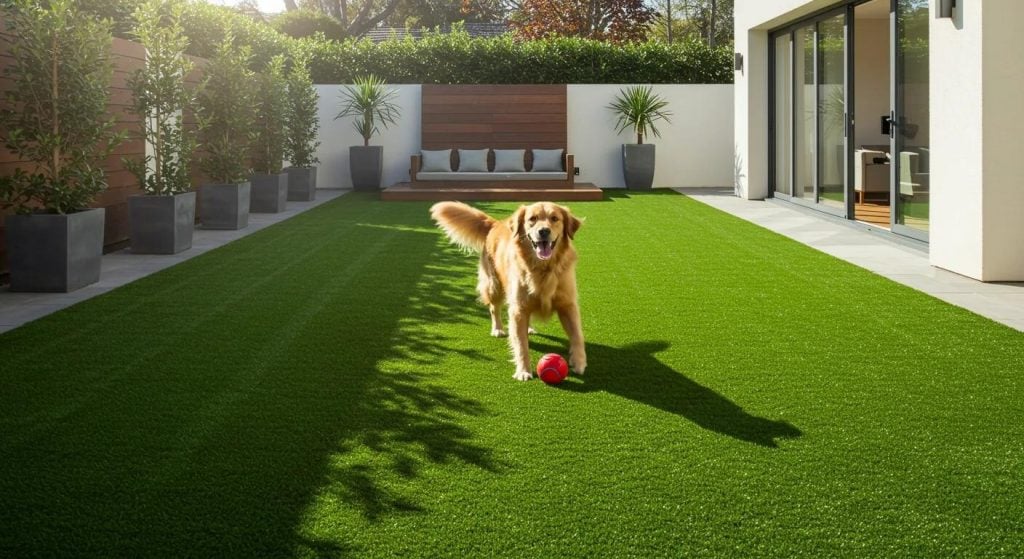
Artificial grass truly simplifies dog training and yard upkeep, offering a consistent, well-draining surface that eliminates mud, deters pests, and makes waste cleanup a breeze. In this comprehensive guide, you’ll discover practical introduction methods, step-by-step potty training techniques tailored for synthetic turf, and effective cleaning routines to keep odors and bacteria at bay. We’ll also cover how to safely expand off-leash access and provide Arizona-specific advice for managing heat, ensuring UV resistance, and maximizing water savings. Expect clear, actionable lists, handy comparison tables for training steps, cleaning methods, and turf features, plus smart troubleshooting tips that connect training and maintenance for lasting success. Industry best practices and current research confirm that consistent routines paired with the right turf system significantly improve training outcomes and yard hygiene. That’s why we’ll explore why artificial grass helps, then dive into how to implement and maintain it. If you’re ready to bring these recommendations to life, feel free to request a consultation or quote from our specialized installers after exploring your options.
Why Artificial Grass is the Perfect Choice for Dog Training and a Pristine Yard
Artificial grass is truly ideal for dog training because it provides a consistent surface that drains quickly, prevents muddy paws, and simplifies cleanup—all of which boost positive reinforcement and minimize hygiene concerns. Our advanced synthetic fibers and engineered backing allow urine to pass through to a dedicated drainage layer, while modern infills and antimicrobial treatments effectively reduce odor buildup, all while maintaining a natural feel for your furry friend. These superior material and mechanical advantages help homeowners maintain a beautifully clean yard with significantly less water and ongoing effort than traditional landscapes, which is especially crucial in our arid Arizona climate. Understanding these performance benefits clearly shows why artificial turf is a top recommendation for potty zones, play areas, and off-leash runs, leading us into the specific advantages and cleanliness mechanisms you can leverage during training.
Discover the Top Benefits of Artificial Turf for Your Beloved Dogs
Artificial turf offers consistent, secure footing, guarantees mud-free paws, and provides incredibly durable surfaces that stand up to repeated use without developing unsightly ruts or bare spots. Dogs thrive with reduced parasite habitats, as synthetic surfaces naturally discourage fleas and ticks far more effectively than loose soil and dense thatch, leading to greater comfort and potentially fewer vet visits. For you, the owner, significant water savings and a vibrant green lawn year-round mean lower maintenance and predictable training spaces, which perfectly supports consistent potty routines. These combined benefits make artificial turf a truly practical and smart surface for both playful puppies learning new cues and active adult dogs needing reliable areas for play and potty breaks.
- Artificial turf ensures consistent, mud-free footing for all your training sessions.
- Engineered drainage and antimicrobial options actively help control odors and bacteria.
- Durable fibers and backing bravely resist wear from running, digging, and frequent elimination.
These fantastic advantages make it so much easier to establish reliable training cues and keep your yard wonderfully sanitary. Next, we’ll explore the cleanliness mechanisms that show you exactly how to maintain these benefits.
How Artificial Grass Keeps Your Yard Spotless and Fresh
Artificial grass keeps your yard beautifully clean by efficiently channeling liquids through the turf into a dedicated drainage layer, which minimizes pooling and prevents the muddy patches and worn-out lawns that often trap waste and bacteria. The right infill choices and regular brushing keep the fibers standing tall, making solid waste incredibly easy to collect. Meanwhile, routine rinsing and targeted enzyme treatments effectively neutralize urine compounds before they can develop into persistent odors. The turf’s backing and sub-base are key to how quickly liquids drain away and whether deeper cleaning is needed; choosing an installer who specializes in pet-grade systems ensures your design fully supports easy, routine maintenance. With these features expertly in place, cleaning becomes far more predictable and directly contributes to training success by eliminating negative sensory cues that might otherwise confuse your dog’s potty habits.
- Regularly check drainage performance to ensure liquids flow smoothly through the backing.
- Use a stiff-bristled brush monthly to gently lift fibers and promote faster drying.
- Rinse high-use zones after heavy activity or hot weather to dilute urine salts effectively.
A proper maintenance routine, combining rinsing, brushing, and enzyme treatment, keeps the surface inviting for trained behaviors and prevents any training setbacks caused by odor or texture.
Introducing Your Dog to Artificial Grass: A Smooth Transition
Introducing your dog to artificial grass starts with creating positive, low-stress experiences so your beloved pet learns that this new surface is safe, comfortable, and rewarding. Dogs are highly attuned to texture, scent, and temperature, so early experiences truly shape their long-term use. Begin with short, supervised sessions that combine feeding, play, and calm praise directly on the turf, allowing scent and positive rewards to firmly anchor the new surface to happy outcomes. Familiarization also addresses sensory differences—puppies and even nervous adult dogs might hesitate because synthetic fibers feel unique under their paws, making patience and gentle encouragement absolutely essential. The next section outlines concrete, effective tactics for building those crucial positive associations during the first few days and weeks.
Effective Strategies to Create Positive Associations with Artificial Turf
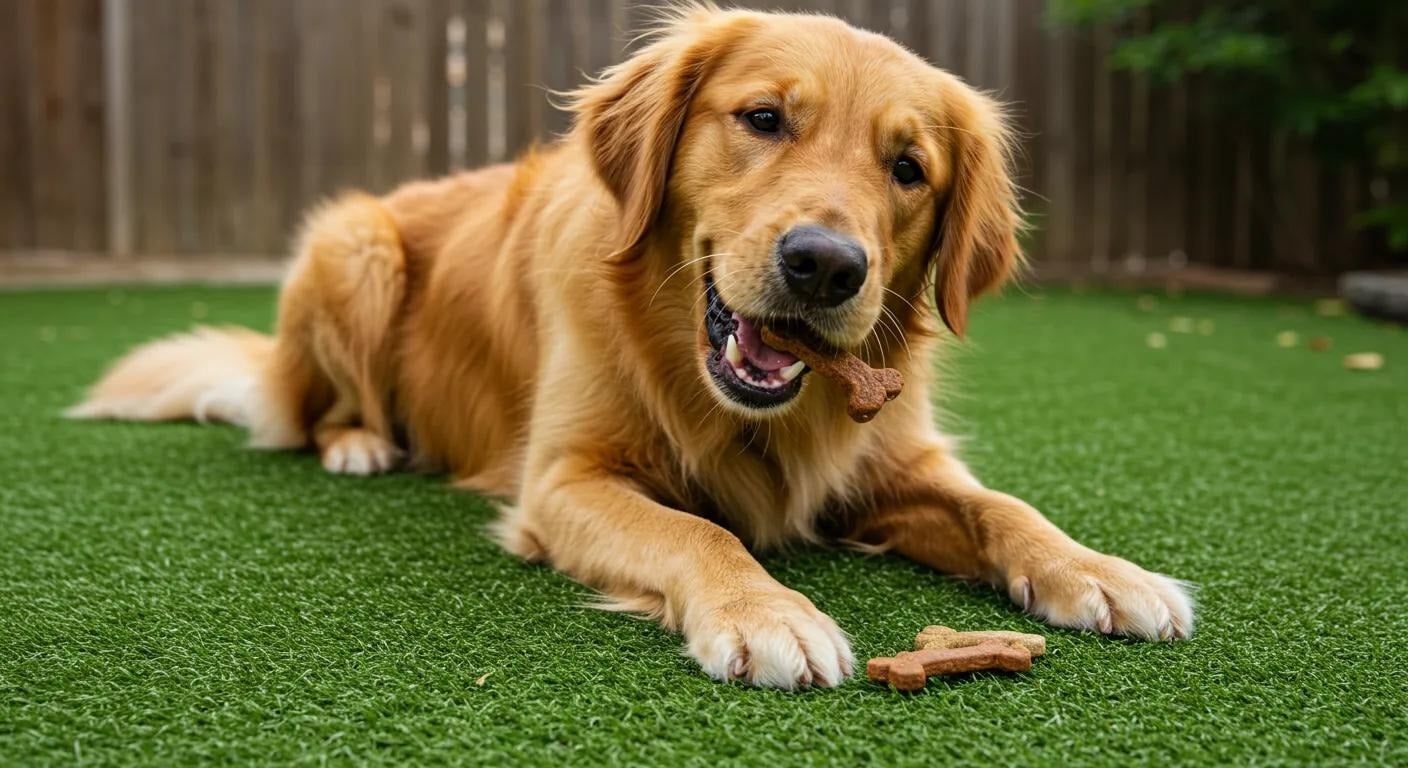
Build positive associations by feeding meals directly on the turf, playing their favorite games there, and using scatter treats to reward their exploration. These simple actions effectively link the surface to pleasant outcomes and help reduce any initial caution. Start with short, five- to ten-minute supervised sessions, always ending each with a calm reward and verbal praise. Gradually increase unsupervised time as your dog shows comfortable movement and relaxed body language. Scent-transfer techniques—like placing a towel with familiar home odors on the turf—or allowing your dog to carry a favorite toy onto the turf can significantly accelerate acceptance. Consistency across sessions, combined with a predictable reward schedule, speeds up adjustment and perfectly sets the stage for reliable potty training on the same wonderful surface.
- Feed meals or offer treats on the turf to create a positive scent association.
- Enjoy short, supervised fetch or tug sessions to reinforce comfort and confident movement.
- Briefly introduce familiar bedding or towels to transfer comforting home scents to the turf.
These tactics quickly build comfort, perfectly preparing your dog for the structured potty routine work we’ll describe next.
How Long Does It Take for Dogs to Get Used to Synthetic Grass?
Adjustment times can vary depending on your dog’s age, temperament, and past experiences, but many dogs adapt beautifully within just a few days to a few weeks when introduced gradually and rewarded consistently. Puppies often acclimate faster thanks to their naturally curious behavior, while more anxious adult dogs might need repeated short exposures and patient reinforcement before they show truly relaxed behavior. Keep an eye on key milestones like walking confidently, sniffing without hesitation, and happily accepting treats on the turf. Once these positive cues appear consistently, you’re ready to move on to formal potty training steps. If progress seems to stall after several weeks, consider revisiting familiarization tactics or consulting a professional trainer to tailor the approach to your dog’s unique needs.
- Puppies: Expect adjustment in days to a couple of weeks with consistent, positive exposure.
- Adult dogs: Allow several weeks and use calm, frequent reinforcement for best results.
- Signs of readiness: Look for a relaxed gait, confident sniffing, and happily accepting treats on the turf.
Recognizing these important milestones helps you determine the perfect time to begin formal potty training on your new artificial surface.
Step-by-Step Potty Training Your Dog on Artificial Grass
Potty training on artificial grass thrives on a clear, repeatable routine that connects a designated area, consistent cues, and immediate rewards. This structured approach truly helps dogs form a strong association between the surface and elimination behavior. Choose a specific, easy-to-rinse location in your yard for elimination to concentrate scents and help your dog habituate to that precise spot. Then, use scheduled outings and specific cue words to create predictable opportunities. Always remove solids immediately, rinse the area as needed, and generously reward successful elimination to reinforce the desired behavior. The numbered steps below offer a concise, actionable protocol, perfect for quick reference and easy implementation.
Your Artificial Grass Potty-Training Protocol (Quick Steps):
- Designate a Spot: Choose one consistent, well-draining turf area that’s easy to rinse for all potty breaks.
- Set a Schedule: Take your dog out at predictable times—after waking, meals, playtime, and before bedtime.
- Use a Cue Word: Say a short, consistent command (e.g., “go potty”) when you arrive at the spot to create a verbal trigger.
- Wait and Reward Immediately: Allow sniffing time, then praise and give a treat right after successful elimination.
- Clean Promptly: Remove solids and rinse liquids quickly to reduce residual odor and reinforce location fidelity.
- Gradually Increase Freedom: Once consistently successful, expand playtime on the turf while continuing cue reinforcement.
This step-by-step sequence establishes a clear conditioned response, making indoor accidents far less likely and smoothly supporting the transition to off-leash access once reliability is achieved.
| Training Step | Action / Timing | Expected Result |
|---|---|---|
| Designate Spot | Immediately choose a single turf area for elimination; use at every potty break | Concentrated scent cues accelerate location learning |
| Set Schedule | Take out at consistent intervals tied to meals and sleep | Predictable opportunities reduce accidents |
| Use Cue Word | Say the same short command at each outing | Creates a verbal trigger linked to behavior |
How to Build a Consistent Potty Routine on Artificial Turf
A consistent potty routine expertly combines timing, environmental cues, and immediate rewards, helping dogs form a reliable schedule linked directly to the turf surface. This routine reliability is the fundamental mechanism for successful house-training. For puppies, schedule outings every 1–2 hours and always after naps or meals. For adult dogs, 3–6 outings per day, depending on their size and health, usually suffice. Keep outings calm and focused—minimize distractions until your dog eliminates—to truly strengthen the association between the turf spot and bathroom behavior. Log successes for the first two weeks to identify patterns and fine-tune timing, then gradually lengthen intervals as elimination consistency beautifully improves.
- Sample adult schedule: Morning, mid-day, late afternoon, evening; adjust based on individual needs.
- Tracking: Mark successful days on a simple calendar to easily identify progress and any regressions.
Establishing and tracking a routine reduces any ambiguity for your dog and significantly speeds up the transition to off-leash privileges once reliability is proven.
Which Command Words and Rewards Work Best for Training on Fake Grass?
Short, distinct command words like “potty,” “go,” or “do your business” work best because they are incredibly easy to pair with timing and reward. Consistency of the cue across all family members dramatically increases learning speed. For the first several weeks, use high-value rewards—treats your dog absolutely loves or enthusiastic praise—then gradually shift to lower-value treats and eventually intermittent verbal praise to maintain the behavior without over-reliance on food. Timing is absolutely critical: deliver the reward immediately after elimination, ideally within one second, so your dog clearly links the action to the reinforcement; delaying praise significantly weakens the association. Slowly fade treats while maintaining the cue and occasional rewards to keep the response wonderfully strong.
- Recommended cues: Simple, one-word commands such as “go potty,” spoken calmly upon arrival.
- Reward timing: Immediate reinforcement, ideally within one second after elimination.
- Phasing: Transition from frequent treats to intermittent reinforcement over 4–8 weeks.
These strategies make the cue reliable and easily transferable across various locations, including when you’re ready to expand to off-leash access.
Expanding Your Dog’s Off-Leash Access While Keeping Training on Track
Expanding off-leash access for your dog hinges on consistent recall, smart environmental safety measures, and a graduated freedom plan that preserves potty reliability. Think of off-leash time as a well-earned reward after confirmed success on the turf. Begin by practicing recall and cues during short, supervised sessions on the turf, then gradually increase distance and reduce leash constraints only when your dog reliably responds to commands. Ensure you have secure fencing, escape-proof gates, and plenty of shaded areas to protect from heat. You can also use visual boundaries or low-profile barriers to keep your dog happily within the designated turf zone. Technical upgrades like durable turf fibers and improved drainage also play a role in maintaining surface integrity during unsupervised play, which helps reduce accidents caused by damaged or soiled turf.
When Is It Safe to Grant Off-Leash Freedom on Artificial Grass?
You can safely allow off-leash freedom once your dog consistently demonstrates reliable potty behavior, dependable recall at varying distances, and calm responses to distractions during supervised trials. These readiness indicators significantly reduce the risk of accidents or unsafe wandering. Always double-check environmental safety—secure fencing, locked gates, and ample shade availability—before increasing freedom, and verify that surface temperatures are safe for paw contact during hotter months. Start with short off-leash intervals in the same conditioned potty area and only increase duration after several consecutive successful days without accidents. A clear readiness checklist prevents premature freedom and beautifully preserves all the training gains you’ve made on the turf.
- Readiness checklist: Look for 7–10 days of consistent potty success, reliable recall at 10–30 feet, and calm behavior under mild distractions.
- Environmental checks: Ensure secure fencing, ample shade, and cool-surface measures during hot weather.
- Supervision steps: Begin with short off-leash sessions and gradually extend the time.
Following this smart, staged plan keeps off-leash expansion perfectly aligned with potty training success and surface preservation.
How to Handle Setbacks and Accidents During Training
When setbacks inevitably occur, respond with immediate cleaning, a brief retraining cadence, and a calm reset of the routine, rather than punishment. Punishment can create anxiety and actually slow progress. Promptly remove solids and rinse the area to prevent lingering scents that might attract repeat use. Then, simply return to the last successful routine parameters—shorter intervals, increased supervision, and more frequent rewards—until consistency beautifully returns. Monitor for any underlying causes such as health changes, stress, or environmental triggers, and don’t hesitate to consult a trainer or veterinarian if setbacks persist beyond one to two weeks. Documenting accidents and adjustments helps you identify patterns and informs whether surface, routine, or health interventions are truly needed.
- Immediate actions: Collect solids, rinse thoroughly, and apply an enzyme cleaner if any odor lingers.
- Reset plan: Increase outings, shorten intervals, and reintroduce high-value rewards.
- Escalation: Seek professional help if accidents continue despite consistent retraining efforts.
Addressing setbacks quickly and methodically prevents regressions from becoming entrenched behaviors and helps you maintain a wonderfully clean yard.
When considering durable turf or drainage upgrades to minimize repeat setbacks, always think about professional installation that specifies pet-grade infill and reinforced backing designed to withstand heavy off-leash activity. Installers experienced with pet turf can expertly assess drainage and recommend upgrades if wear or odor persists. Sunburst Landscaping specializes in premium pet turf installations and can expertly evaluate whether a turf upgrade or drainage enhancement is the perfect solution for your yard, helping to match product features to your off-leash lifestyle and local climate demands.
Keeping Your Artificial Grass Fresh and Odor-Free: Cleaning & Maintenance Tips
Effective cleaning and maintenance for artificial grass rely on the timely removal of solids, regular rinsing, periodic brushing, and targeted enzyme treatments that expertly neutralize urine compounds before they can cause persistent odors. These crucial steps preserve both hygiene and the beautiful performance of your turf fibers. For weekly upkeep, simply remove solids and rinse high-use zones. Monthly brushing gently lifts matting and redistributes infill, while seasonal deep cleans using our recommended enzyme cleaners eliminate biofilm and any trapped odors. A consistent maintenance cadence, perfectly tied to your training routines, prevents odor accumulation that could confuse your dog’s potty habits and ensures long-term turf performance. The table below compares common cleaning methods and how to use them safely for your beloved pets.
| Cleaning Method | Best Use-Case | Safety / Frequency |
|---|---|---|
| Quick Rinse | Daily or after heavy use to dilute urine salts effectively | Pet-safe; use as needed |
| Enzyme Cleaner | Deep odor neutralization for any persistent smells | Every 1–3 months or as needed; always follow label directions |
| Brushing | Redistribute infill and lift fibers monthly for optimal look | Safe for fibers when using soft to medium bristles |
Best Practices for Removing Dog Urine and Waste from Synthetic Turf
The best practices begin with immediate removal of solids and a prompt rinse to dilute urine, which significantly reduces the residue that causes odor when it crystallizes on the fibers. Use a scoop for solids, then a hose or low-pressure sprayer to thoroughly flush the area. For concentrated urine spots, follow up with an enzyme cleaner specifically designed to break down organic compounds and neutralize odor right at the source. Regular brushing prevents fiber matting and makes solids even easier to remove, while seasonal inspections of the drainage layer ensure liquids continue to move efficiently away from the surface. Following these steps consistently minimizes bacterial growth and keeps your turf wonderfully inviting as a potty location.
- Immediate removal: Scoop solids and rinse liquids after each use whenever possible.
- Weekly care: Rinse high-traffic and potty areas to dilute salts and residues effectively.
- Monthly care: Brush fibers and apply enzyme treatment to any problem zones.
A routine that combines prompt cleanup with scheduled maintenance truly keeps odors from undermining your training progress.
Intro to enzyme product comparison: Pet owners often weigh their options between commercial enzyme cleaners, DIY solutions, and odor neutralizers. The table below thoughtfully compares these choices by pet-safety, frequency, and effectiveness to help you select the perfect product for your turf maintenance needs.
| Product Type | Use-case / Frequency | Safety for Pets |
|---|---|---|
| Commercial Enzyme Cleaner | Use on persistent odors every 1–3 months; spot-treat as needed | Formulated for pet areas; always follow label directions |
| Vinegar + Water (DIY) | Short-term odor control; use sparingly and dilute | Generally safe but acidic—avoid overuse on backing |
| Odor Neutralizer Sprays | Quick neutralization between deep cleans | Varies by formula; always choose pet-safe options |
Selecting the right product depends on the severity of the odor, frequency of use, and manufacturer guidance. Generally, using pet-safe enzyme formulations is the most effective long-term strategy for a fresh, clean yard.
After exploring these essential cleaning routines, owners seeking full-service maintenance or installation upgrades are welcome to request a professional evaluation. Sunburst Landscaping proudly offers cleaning and maintenance services expertly tailored to pet turf systems and can provide a detailed quote for installation or periodic servicing to keep your pet areas performing at peak hygiene and durability.
Arizona Pet Owners: Maximize Your Artificial Grass Benefits for Dogs!
Arizona pet owners can truly maximize the benefits of artificial grass by choosing UV-resistant turf, specifying advanced cooling infill options, and designing smart shade and drainage solutions. These choices effectively reduce surface temperatures and conserve our precious water resources. Our superior turf systems, incorporating reflective fibers and open drainage bases, minimize heat retention, while specialized cooling infills and strategically placed shade planting significantly lower paw-surface temperatures during our peak summer months. The water savings are substantial because artificial turf completely eliminates routine irrigation needs; pairing turf with drought-tolerant plantings further reduces your household water use. The following table compares key turf features vital for Arizona conditions and recommends specifications to prioritize for your ultimate pet-friendly yard.
| Turf Feature | Benefit in Heat/Water/UV | Recommended Spec |
|---|---|---|
| UV-resistant fibers | Resist fading and breakdown under intense Arizona sun | UV-stabilized polyethylene or polypropylene fibers |
| Cooling infill | Lowers surface temperature and significantly improves comfort | Thermally reflective or specialized cooling infills |
| Open drainage base | Ensures fast runoff and reduced pooling | Permeable sub-base with gravel or engineered drainage |
How Artificial Turf Saves Water and Handles Arizona’s Intense Heat
Artificial turf brilliantly conserves water by eliminating the need for regular irrigation that natural lawns demand. This significantly reduces household water consumption, especially in our desert climate where evaporation rates are exceptionally high. Our expert heat management strategies—like selecting cooler-toned fiber colors, installing advanced cooling infill, and creating shaded areas—effectively reduce surface temperatures, making the turf wonderfully comfortable for dogs during our warmer months. Proper installation with an open, permeable sub-base accelerates drying after any rinsing, preventing lingering moisture that can trap heat. Combining these precise specifications delivers a turf system that perfectly fits Arizona’s unique climate while preserving your pet’s comfort and your yard’s beautiful aesthetics.
- Water savings: Enjoy no routine lawn watering needed, a huge advantage over natural turf.
- Heat mitigation: Choose cooling infill, reflective fibers, and smart shade planning.
- Installation tips: Prioritize a permeable sub-base and professional compaction for superior drainage.
These measures ensure your pets stay safe and comfortable while maximizing the incredible resource-efficiency benefits of synthetic turf.
What Safety Features Are Essential for Pet-Friendly Artificial Turf?
When choosing pet-friendly artificial turf, always look for non-toxic, lead-free materials, effective antimicrobial or odor-control treatments, secure edging to prevent any lifting, and appropriate infill types that perfectly balance cushioning and drainage. These crucial features significantly reduce health risks and maintain surface integrity even under frequent use. Verify that the turf pile height and density perfectly match your dog’s activity level—shorter piles are ideal for heavy traffic, while denser piles offer a softer, more luxurious feel. Also, ensure your installers specify pet-grade backing and infill that actively support odor control and quick drainage. Installer credibility truly matters: partnering with a company experienced in pet turf installations ensures design choices are perfectly matched to our local climate and your specific use patterns. Selecting these top-tier safety features reduces heat retention, minimizes harmful residues, and fully supports long-term training and play.
- Safety checklist: Non-toxic materials, antimicrobial options, and secure seams and edges.
- Performance checks: Appropriate pile height, pet-grade infill, and a solid drainage base.
- Installer considerations: Choose a provider deeply familiar with pet installations and our local Arizona climate.
Sunburst Landscaping’s extensive pet turf expertise and strong partnerships with recognized industry leaders can expertly help Arizona owners match these vital safety and performance specifications to their yard’s unique needs. We invite you to request a consultation or quote today to review the best options for your property.
Synthetic Grass for Canine Elimination: A Veterinary Study
The use of synthetic grass as a novel substrate within veterinary practice canine inpatient elimination enclosures. Dogs form toileting preferences that may influence canine willingness to eliminate on different substrates. This study investigated the effect of substrate type (synthetic grass vs. concrete) on canine elimination behavior in a veterinary hospital setting. The results indicated that synthetic grass is a viable and acceptable substrate for canine elimination, with dogs showing a high proportion of successful eliminations on this surface.
This research clearly highlights that artificial grass is a practical and highly effective surface for dogs to eliminate on, which is a key factor in successful potty training.
Canine Elimination on Synthetic Grass vs. Concrete
The use of synthetic grass as a novel substrate within veterinary practice canine inpatient elimination enclosures. The proportion (confidence interval) of dogs that urinated on the first outdoors elimination opportunity was 0.77 (0.66-0.85) for synthetic grass and 0.74 (0.64-0.82) for concrete.
Further supporting its suitability, studies show that dogs exhibit a high success rate for urination on synthetic grass, comparable to concrete surfaces.
Environmental Enrichment for Dogs: Substrates and Sensory Stimulation
Challenges and solutions surrounding environmental enrichment for dogs and cats in a scientific environment. This includes considerations for outdoor spaces such as grass, concrete, artificial grass and/or other substrates. Auditory, olfactory and visual methods of sensory stimulation are important for enrichment. Maintaining olfactory continuity can be beneficial for animals transitioning between environments.
Understanding the sensory aspects of different substrates, including artificial grass, is crucial for providing adequate environmental enrichment for dogs.
Frequently Asked Questions About Artificial Grass for Dogs
What should I consider when choosing artificial grass for my dog?
When selecting the perfect artificial grass for your dog, always prioritize non-toxic materials, exceptional durability, and superior drainage capabilities. Look for UV-resistant fibers to prevent fading and minimize heat retention, along with antimicrobial treatments to effectively minimize odors. The pile height and density should perfectly match your dog’s activity level; shorter piles are ideal for heavy traffic, while denser options provide a wonderfully softer feel. Additionally, ensure the turf features a secure backing and infill that supports both excellent drainage and comfortable cushioning, which are absolutely essential for maintaining a safe and comfortable environment for your beloved pet.
How can I prevent my dog from digging on artificial grass?
To effectively discourage digging on artificial grass, ensure your dog receives plenty of physical and mental stimulation through engaging play and regular exercise. Consider establishing a designated digging area with loose soil or sand where they are allowed to dig freely. When you catch your dog digging on the turf, gently redirect their attention to a favorite toy or an activity they truly enjoy. Consistent training and positive reinforcement for appropriate behaviors can also be incredibly helpful. If digging persists, consider consulting a professional trainer for tailored strategies to address this behavior effectively.
Can artificial grass be used for both potty training and play areas?
Absolutely! Artificial grass is incredibly versatile and can be effectively used for both potty training and vibrant play areas. Its durable surface bravely withstands heavy use, while its excellent drainage capabilities ensure that waste is easily managed. Designate specific zones for elimination to help your dog strongly associate those areas with potty behavior. For play, ensure the turf is safe and comfortable, providing a consistent surface for running and playing. Regular dog turf maintenance, including thorough cleaning and rinsing, will keep both areas hygienic and wonderfully inviting for your dog.
What maintenance is required for artificial grass used by dogs?
Maintaining artificial grass for dogs involves regular cleaning and upkeep to ensure both hygiene and longevity. Promptly remove solid waste and rinse the area thoroughly to dilute urine. Monthly brushing helps lift fibers and redistribute infill, while seasonal deep cleaning with enzyme treatments can effectively neutralize odors. Inspect the drainage system periodically to ensure it functions properly. Establishing a routine that combines these maintenance tasks with your dog’s potty training schedule will help keep the turf clean and odor-free, significantly enhancing the overall experience for both you and your cherished pet.
How does artificial grass affect my dog’s health?
Artificial grass can positively impact your dog’s health by providing a clean, mud-free environment that significantly reduces the risk of parasites like fleas and ticks. The antimicrobial properties of many synthetic turfs help control odors and bacteria, promoting a healthier space for your pet. However, it’s absolutely essential to choose high-quality, non-toxic materials to avoid any potential health risks. Regular maintenance and cleaning will further ensure that the turf remains a safe and hygienic area for your dog to play and eliminate.
Is artificial grass safe for puppies?
Yes, artificial grass is generally very safe for puppies, provided it is made from non-toxic materials and specifically designed for pet use. Puppies can greatly benefit from the consistent surface, which aids in potty training and significantly reduces the risk of muddy paws. However, it’s crucial to supervise them closely during playtime to prevent any chewing or digging behaviors. Gradually introducing them to the turf and using positive reinforcement can help them adjust comfortably. Regular maintenance will also ensure a clean and safe environment for your growing puppy.
Your Path to a Happy Dog and a Pristine Yard
Training your dog on artificial grass truly offers a wealth of benefits, including a clean, easily manageable yard and a consistent surface that dramatically enhances potty training success. The sheer ease of maintenance and reduced environmental impact make synthetic turf an ideal choice for pet owners looking to simplify their routines and enjoy more time with their furry companions. By thoughtfully implementing the strategies outlined in this guide, you can create a wonderfully positive experience for your dog while ensuring a hygienic and beautiful outdoor space. For personalized assistance in selecting the perfect turf solution for your unique needs, we encourage you to reach out to a professional installer today!