
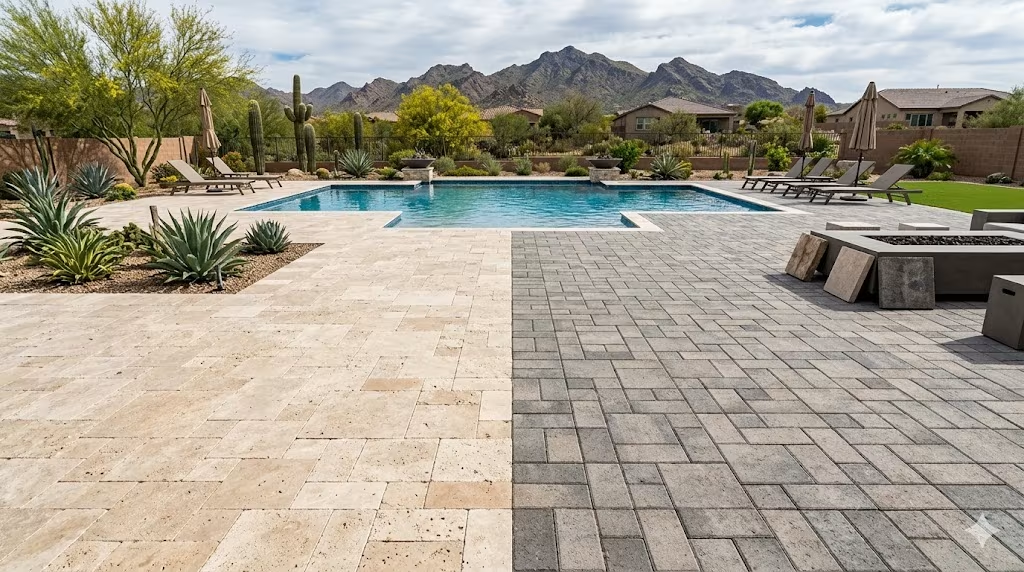
Choosing between travertine and concrete pavers for outdoor spaces in Arizona is a critical decision. Both materials offer distinct advantages, yet their performance in intense heat directly affects longevity and maintenance. This article examines durability, heat resistance, maintenance needs, and lifecycle value for travertine and concrete pavers to help homeowners decide. Understanding these material characteristics will support an investment that endures the desert climate. We also address recommended installation practices and how local expertise, such as that offered by Sunburst Landscaping, can improve paver durability.
Durable Pavers for Arizona Heat: Comparing Travertine and Concrete Pavers for Long-Lasting Backyard Solutions
Durability is the primary criterion when selecting pavers for Arizona’s extreme climate. Travertine is a natural stone noted for its aesthetic qualities and resistance to high temperatures with limited cracking. Its porosity contributes to a cooler surface. Concrete pavers are engineered for compressive strength and heavy traffic, though they can retain heat and produce a hotter surface.
Material selection depends on project requirements: intended use, aesthetic goals, and budget. Sunburst Landscaping, Inc. provides tailored paver installation solutions to align material choice with landscaping objectives.
How Do Travertine and Concrete Pavers Perform in Arizona’s Desert Climate?
In Arizona’s desert environment, travertine and concrete pavers display distinct performance profiles. Travertine’s mineral composition resists UV-induced fading and deterioration. Its lower surface temperature enhances comfort during peak summer conditions around pools and patios.
Concrete pavers are durable but can retain heat and feel warmer underfoot. Advances in concrete mixes and finishes have improved thermal performance, making concrete a viable option for many applications. Evaluating these differences is essential to determine the best fit for specific needs.
What Are the Heat Resistance Properties of Travertine Pavers?
Travertine is recognised for its thermal performance in hot climates. The stone absorbs and dissipates heat efficiently, reducing the likelihood of excessively hot surface temperatures on areas exposed to direct sun. This property benefits patios and walkways.
Travertine’s porosity also contributes to a cooler surface compared with many alternatives, providing a comfortable walking surface and making it a common choice for pool decks and outdoor living areas.
How Does Concrete Paver Durability Compare in High-Temperature Conditions?
Concrete pavers are engineered to resist heavy loads and elevated ambient temperatures. With correct installation and routine maintenance, they perform well in Arizona heat. Nonetheless, they may require additional attention to mitigate heat-related cracking or color fade.
Concrete pavers’ resistance to moisture absorption reduces freeze-thaw risks in colder climates. In Arizona, this characteristic helps preserve structural integrity when pavers are properly sealed against solar exposure.
What Are the Maintenance Requirements for Travertine vs Concrete Pavers in Arizona?
Regular maintenance is essential to preserve the lifespan of pavers in Arizona’s climate. Travertine requires periodic cleaning and sealing to guard against stains and weathering. Inspect travertine surfaces routinely and address any wear promptly to maintain appearance and function.
Concrete pavers also need cleaning and sealing to prevent staining and fading. They may be less vulnerable to UV damage in some cases, but they can require ongoing upkeep. Understanding each material’s maintenance profile helps homeowners allocate time and resources appropriately.
How to Maintain Travertine Pavers for Longevity in Desert Heat?
To preserve travertine pavers in desert heat, adopt the following maintenance routine:
- Regular Inspections: Check for cracks, chips, or discoloration to address issues early.
- Cleaning: Use a mild detergent and water to clean the surface regularly, removing dirt and debris.
- Sealing: Apply a high-quality sealant every 1-2 years to protect against stains and weathering.
Consistent adherence to these practices preserves the appearance and functionality of travertine pavers over time.
What Sealing and Upkeep Do Concrete Pavers Require in Arizona?
Concrete pavers require targeted sealing and upkeep to maintain appearance and performance. Key maintenance practices include:
- Sealing: Apply a sealant every 2-3 years to protect against stains and UV damage.
- Cleaning: Regularly sweep and wash the surface to prevent dirt buildup and staining.
- Joint Maintenance: Refill joint sand as needed to prevent weed growth and maintain stability.
Implementing these maintenance steps helps ensure concrete pavers remain in good condition despite Arizona’s environmental challenges.
How Do Costs and Value Over Time Compare Between Travertine and Concrete Pavers?
Long-term value for travertine versus concrete pavers depends on initial cost, maintenance expenses, and durability. Travertine typically carries a higher upfront cost due to its natural stone composition and appearance. Its durability and lower maintenance requirements can offset initial expenditures over the installation’s lifecycle.
Concrete pavers are generally more affordable at installation but may incur higher maintenance and sealing costs over time. Homeowners should evaluate these factors to determine which material delivers the best value for their circumstances.
What Is the Initial Investment for Travertine and Concrete Pavers?
The initial investment depends on factors such as material quality, installation complexity, and the overall size of the project. Materials like travertine and concrete pavers vary in cost, with higher-quality options and more intricate installations naturally requiring a greater investment.
Consider these costs relative to budget and desired aesthetic. Selecting higher-quality materials often yields improved long-term value and satisfaction.
How Do Long-Term Maintenance Costs Affect Overall Value?
Long-term maintenance costs significantly influence overall value. Travertine’s higher initial cost can be offset by lower recurring maintenance. Conversely, concrete pavers may require more frequent sealing and repairs, increasing total lifetime expense.
Homeowners should include maintenance expenses in a total cost-of-ownership evaluation to ensure a prudent long-term investment in outdoor landscaping.
What Are the Best Installation Practices for Pavers in Arizona’s Climate?
Correct installation is vital to maximise the durability and performance of pavers in Arizona. Key installation practices include:
- Sub-base Compaction: Ensure a solid foundation to prevent shifting and settling.
- Drainage Considerations: Implement proper drainage solutions to prevent water pooling and damage.
- Material Selection: Choose pavers specifically designed for high-temperature environments.
Applying these best practices improves paver longevity and supports a successful landscaping outcome.
How Does Proper Installation Enhance Paver Durability?
Proper installation methods materially increase paver durability. A well-compacted sub-base prevents shifting and settling that cause cracks and uneven surfaces. Effective drainage mitigates water-related damage and extends service life.
Investing in professional installation services, such as those offered by Sunburst Landscaping, further improves durability. Their familiarity with local climate conditions ensures installations meet Arizona-specific requirements.
What Local Expertise Does Sunburst Landscaping Provide for Installation?
Sunburst Landscaping, Inc. delivers comprehensive hardscape services, including paver installation. Their team recognizes the unique demands of Arizona’s climate and offers tailored consultations to align projects with specific needs. With a portfolio of successful installations, Sunburst Landscaping provides quality results that enhance outdoor appearance and function.
Which Paver Material Offers Superior Longevity for Arizona Backyards?
When assessing longevity, travertine frequently proves the superior option for Arizona backyards. Its natural properties enable resistance to extreme temperatures and fading, making it a sound long-term investment. Concrete pavers remain durable but may require more maintenance to sustain their condition over time.
Homeowners should match material selection to their functional requirements and aesthetic preferences. Evaluating longevity and maintenance expectations will guide a well-informed decision.
What Do Case Studies Reveal About Travertine Paver Lifespan?
Case studies of travertine installations in Arizona report lifespans often exceeding 25 years with appropriate maintenance. These examples demonstrate the material’s ability to endure desert conditions while retaining visual appeal.
How Have Concrete Pavers Performed in Recent Arizona Projects?
Recent Arizona projects indicate that correctly installed concrete pavers can perform well under high temperatures. Some installations, however, have required more frequent sealing and maintenance to address heat retention and fading. Homeowners should consider these maintenance demands when evaluating concrete pavers.
How Can Homeowners Choose the Best Backyard Paving Material for Arizona Heat?
Selecting the best paving material for Arizona requires assessment of aesthetic goals, budget limitations, and maintenance capacity. Additionally, review each material’s performance characteristics to inform the decision.
What Factors Should Influence Material Selection?
Consider the following factors when selecting paving materials for Arizona:
- Heat Resistance: Choose materials that can withstand high temperatures without damage.
- Durability: Consider the longevity and maintenance requirements of each option.
- Aesthetic Appeal: Select materials that align with your design preferences and landscaping goals.
Evaluating these factors enables informed decisions that enhance both the appearance and functionality of outdoor spaces.
How Does Sunburst Landscaping Tailor Solutions to Client Needs?
Sunburst Landscaping customises its services to meet each client’s requirements. Their team provides personalised consultations to understand landscaping objectives and preferences. By leveraging local climate expertise, Sunburst Landscaping ensures paving projects are designed for optimum performance and longevity.
This client-focused approach and consistent craftsmanship position Sunburst Landscaping as a dependable partner for landscaping projects in Arizona.
Frequently Asked Questions
What are the environmental impacts of using travertine and concrete pavers?
Travertine is a natural stone and typically has a lower carbon footprint at extraction than concrete, which requires cement production associated with substantial CO2 emissions. Travertine quarrying can, however, disrupt local ecosystems if not managed responsibly. Concrete pavers can incorporate recycled materials, and their durability may reduce replacement frequency, partially offsetting production impacts over time.
Can travertine pavers be used in shaded areas?
Travertine is suitable for shaded areas, though its performance differs from that in sunny locations. Shaded conditions can retain moisture and increase the risk of mold or mildew. Regular cleaning and sealing are essential, and homeowners should verify adequate drainage and airflow to preserve paver longevity.
How do travertine and concrete pavers compare in terms of slip resistance?
Slip resistance is a key safety consideration. Travertine typically offers a textured surface that provides reliable traction, making it appropriate around pools and patios. Concrete pavers can be produced with slip-resistant textures, but effectiveness varies by finish. Assess the specific surface treatment to ensure safety in wet conditions.
What is the best way to clean travertine and concrete pavers?
Clean travertine with a mild detergent and water using a soft-bristle brush to avoid surface damage, and rinse thoroughly. For concrete pavers, regular sweeping and occasional pressure washing maintain appearance. Avoid harsh chemicals that may harm either surface, and consider sealing both types to improve stain resistance.
Are there any color options available for travertine and concrete pavers?
Both travertine and concrete pavers are available in various colours and finishes. Travertine commonly presents natural earth tones—beige, cream, and brown—that complement many landscapes. Concrete pavers offer greater colour versatility through dyes and stamping. Select colours that complement the home and landscaping, and evaluate appearance under Arizona’s bright sunlight.
What are the warranty options for travertine and concrete pavers?
Warranty terms vary by manufacturer and supplier. Travertine products often include warranties covering material and quality defects, commonly ranging from 1 to 5 years. Concrete pavers may carry similar warranties, and some manufacturers provide extended coverage for high-performance products. Homeowners should obtain specific warranty details before purchase.
Conclusion
Selecting the appropriate paving material for an Arizona backyard affects durability and comfort in extreme heat. Travertine offers notable heat resistance and aesthetic appeal, while concrete provides structural strength and cost-effectiveness. Understanding each option enables homeowners to make an informed investment. For professional guidance and expert installation, contact Sunburst Landscaping today.